
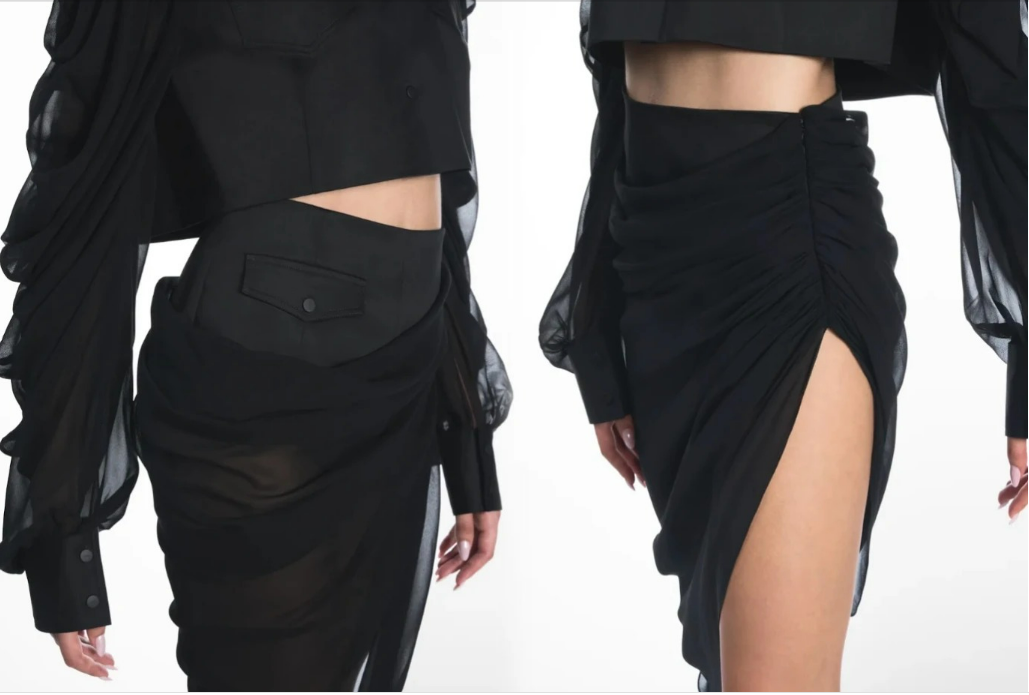
A skirt shapes a wardrobe in a way that few other pieces do. It defines the lower half of a silhouette, sets the formality of an outfit, and when chosen well creates a kind of versatility that multiplies across the pieces you already own. Designer skirts for women represent the clearest expression of this: garments where construction quality, fabric choice, and silhouette precision combine to produce something that works harder and lasts longer than the alternatives.
What the Waistband Tells You
Before anything else, examine the waistband. It is the structural foundation of the entire garment and the first thing to reveal quality or the lack of it. A well-constructed waistband feels stable in the hand, holds its structure when you sit, and maintains its position throughout a full day without rolling, collapsing, or requiring adjustment.
Poor waistband construction is one of the most common failure points in skirts at all price levels. A band that feels firm in the fitting room often reveals its limitations within a few wears softening, distorting, or gradually losing the clean line it created when new. Premium construction solves this through proper interfacing and internal structure, creating a waistband that performs consistently rather than deteriorating.
Fabric and the Way a Skirt Moves
The fabric of a skirt determines its silhouette in motion as much as at rest. Quality wool falls with a controlled weight that creates clean, elongating lines and resists the twisting and clinging that lighter materials are prone to. Silk and satin move with fluid elegance suited to evening occasions. Structured blends hold a defined shape across long days without stiffness.
In each case, the premium version of these fabrics behaves more predictably and more gracefully than cheaper alternatives — draping with intention rather than responding erratically to movement and body heat. This predictability is what makes a good skirt feel effortless to wear.
Silhouette as a Wardrobe Decision
Different skirt silhouettes serve different functions in a wardrobe, and choosing deliberately across these functions is more useful than accumulating variations of the same shape.
A well-cut midi pencil or A-line is the most versatile foundation: professional enough for the office, refined enough for evenings, and easy enough to travel in that it earns disproportionate wear relative to the space it occupies. A longer column silhouette reads as particularly elevated for formal occasions and travel. A shorter, structured shape pairs effectively with tailored and knit tops for a balanced, contemporary proportion.
The key in each case is that the silhouette holds its intended line rather than approximating it. A pencil skirt that pulls at the hip or a midi that twists at the hem is not achieving its design purpose, regardless of how it looked in a photograph.
Building Combinations Around a Skirt
The practical test of a designer skirt is how many complete outfits it enables from pieces already in your wardrobe. A clean, well-proportioned skirt in a versatile tone deep navy, warm charcoal, true black, rich brown should connect easily with knitwear, blouses, fine-gauge tops, and tailored jackets across multiple combinations.
This combination potential is what distinguishes a genuinely useful purchase from an attractive one. A skirt that works with three existing pieces is a different kind of investment from one that requires new purchases to function. Choosing with this range in mind from the start produces a wardrobe where each piece amplifies the others which is the condition under which a smaller wardrobe consistently outperforms a larger one.