Website security is now a basic requirement for every online business, blog, eCommerce store, and professional website. Visitors want to know that their personal information is safe when they browse a website, fill out a form, create an account, or make a purchase. This is where ssl certs play an important role.
SSL certs help protect the connection between a website and its visitors. They make sure that the data shared between both sides is encrypted and secure. Without SSL, your website may look unsafe, and visitors may leave before taking any action. In simple words, SSL certificates help build trust, improve security, and make your website look more professional.
What Are SSL Certs?
SSL certs, also known as SSL certificates, are digital certificates that secure the communication between a website server and a user’s browser. SSL stands for Secure Sockets Layer. When SSL is installed on a website, the website address changes from HTTP to HTTPS.
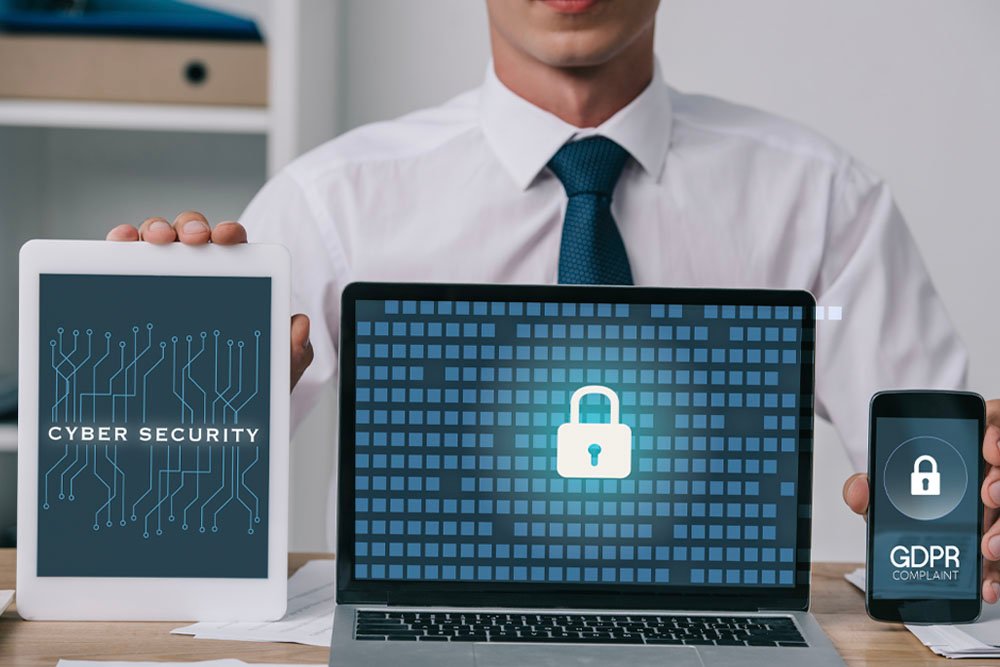
The “S” in HTTPS means secure. Visitors can also see a padlock icon in the browser address bar. This padlock shows that the website connection is protected. Any data shared on the website is encrypted, which makes it difficult for hackers or third parties to read.
For example, if a customer enters their name, email address, password, phone number, or payment details, SSL helps keep that information safe during transfer.
Why Are SSL Certs Important?
SSL certs are important because they protect both website owners and visitors. A secure website gives users confidence and helps your brand appear trustworthy.
One of the biggest reasons SSL is important is data protection. Many websites collect user information through contact forms, checkout pages, login pages, newsletter forms, and booking forms. If this data is not protected, it can be exposed to security risks.
SSL certs also help remove browser warnings. Modern browsers often show “Not Secure” messages on websites without SSL. This warning can damage your website’s reputation and reduce visitor trust. When your site has SSL, it appears safer and more reliable.
Another important benefit is SEO. Search engines prefer secure websites. Having HTTPS can support your search engine optimization efforts and improve the overall technical quality of your website.
How SSL Certs Build Trust
Trust is one of the most important factors online. If visitors do not trust your website, they will not buy from you, submit a form, or share their information. SSL certs help create a safer browsing experience.
When users see HTTPS and the padlock icon, they feel more comfortable. This is especially important for eCommerce stores, service websites, membership platforms, and business websites. Even a small trust signal can make a big difference in conversions.
A website without SSL may look outdated or risky. Visitors may think the business is not serious about security. By installing SSL, you show that your website cares about user safety.
Types of SSL Certs
There are different types of SSL certs available. The right one depends on your website type and security needs.
Domain Validation SSL
Domain Validation SSL, also called DV SSL, is the most basic type. It verifies that you own the domain name. This type of SSL is usually affordable and easy to issue. It is suitable for blogs, small business websites, portfolios, and basic company websites.
Organization Validation SSL
Organization Validation SSL, also known as OV SSL, verifies both the domain and business details. It gives users more confidence because it confirms that a real organization is behind the website. This type is suitable for companies and professional websites.
Extended Validation SSL
Extended Validation SSL, also called EV SSL, provides a higher level of verification. The certificate authority checks the business details more deeply before issuing the certificate. This type is commonly used by banks, financial platforms, and large companies.
Wildcard SSL
Wildcard SSL certs secure one main domain and its subdomains. For example, it can protect yourdomain.com, blog.yourdomain.com, and shop.yourdomain.com. This is useful if your website has multiple subdomains.
Multi-Domain SSL
Multi-Domain SSL certs protect more than one domain under a single certificate. This is a good option for businesses that manage multiple websites.
Free SSL Certs vs Paid SSL Certs
Many website owners wonder whether free SSL certs are enough. Free SSL certificates can be useful for personal blogs, small websites, and basic projects. They provide standard encryption and help enable HTTPS.
Paid SSL certs often come with more features, better support, warranty options, business validation, and advanced certificate types. For business websites, online stores, or professional brands, paid SSL may be a better choice.
The best option depends on your website needs. If you only need basic protection, free SSL may work. If your website handles customer data, payments, or business leads, a paid SSL certificate can provide more confidence and support.
How to Choose the Right SSL Certs
Choosing the right SSL certificate is important. Before buying or installing SSL, first understand your website structure. If you have one simple website, a basic Domain Validation SSL may be enough. If you have subdomains, choose a Wildcard SSL. If you manage multiple domains, Multi-Domain SSL can be more useful.
You should also check the SSL provider’s reputation, browser compatibility, support options, renewal cost, and installation process. Do not choose SSL only based on price. Make sure it properly matches your website requirements.
Common SSL Mistakes to Avoid
Many website owners install SSL but still face issues. One common mistake is not redirecting HTTP pages to HTTPS. After installing SSL, all website pages should open with HTTPS.
Another mistake is mixed content. This happens when some images, scripts, or links still load through HTTP instead of HTTPS. Mixed content can stop the secure padlock from appearing correctly.
You should also remember to renew your SSL certificate on time. If SSL expires, your website may show security warnings, which can hurt traffic, trust, and sales.
Final Thoughts
SSL certs are essential for every modern website. They protect user data, build trust, improve SEO, and help create a safer browsing experience. Whether you run a blog, business website, online store, or service platform, SSL should be part of your website security setup.
A secure website looks more professional and gives visitors confidence. In today’s online world, users expect every website to have HTTPS. If your website does not have SSL, you may lose visitors, leads, and sales.
By choosing the right ssl certs for your website, you can protect your users, improve your brand image, and build a stronger online presence.