
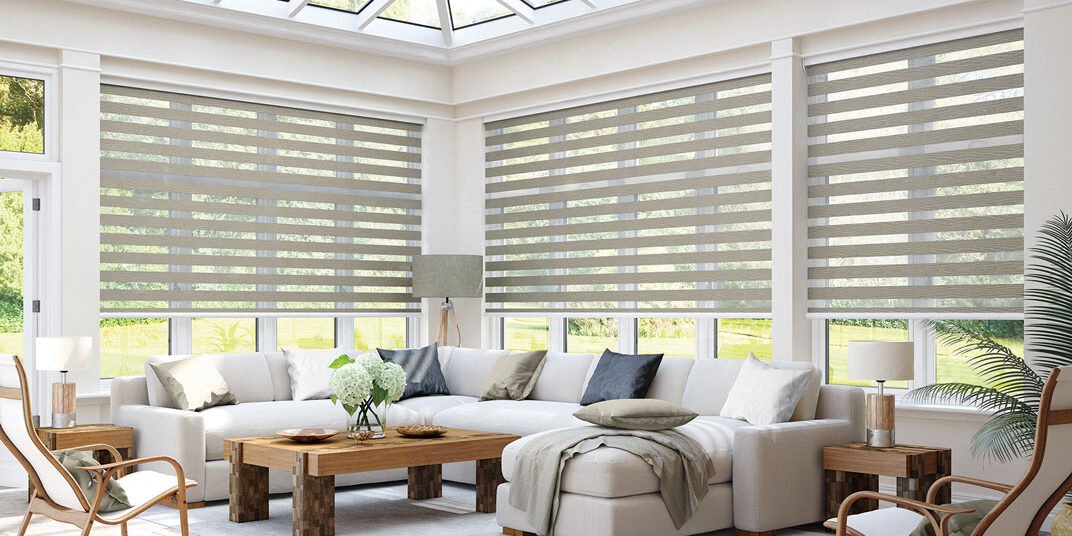
Why Your Conservatory Feels Freezing in Winter — and What Actually Fixes It
You know that feeling when you walk into your conservatory on a January morning and your breath clouds in front of you?
Yeah, that one.
You spent thousands building this beautiful glass extension. You imagined cosy winter mornings with coffee, reading the paper whilst snow falls outside. Instead, you’ve got a room that’s basically unusable from November through March. The heating bills are absurd, and even when you crank the radiators, the space never feels properly warm.
Sound familiar?
Here’s the thing about conservatories: they’re essentially glass boxes designed to trap summer heat. Brilliant in July, absolutely rubbish in January. All that gorgeous glazing that floods your space with light also hemorrhages heat the moment temperatures drop.
But here’s what most people don’t realise the right blinds can genuinely transform how your conservatory performs in winter. Not just make it slightly less awful, but actually make it comfortable. Properly warm. The kind of space you’ll use year-round instead of abandoning when autumn arrives.
You’re about to learn which blind types actually insulate effectively, why some expensive options perform worse than cheaper alternatives, and how to choose blinds that’ll slash your heating costs whilst making your conservatory liveable through winter.
Where Heat Is Escaping from Your Conservatory (and Why It Matters)
Glass is terrible at insulation. Absolutely terrible. Even modern double glazing transmits heat roughly five times faster than a standard insulated wall.
Now multiply that problem across an entire room made almost entirely of glass, and you’ve got a conservatory. Walls, roof, doors all glass or polycarbonate. Heat escapes in every direction simultaneously.
Polycarbonate roofs are particularly problematic. Whilst they’re cheaper than glass and let through plenty of light, their insulation performance is genuinely awful. On a cold winter night, heat just radiates straight through into the atmosphere.
The roof represents your biggest heat loss area. Think about it hot air rises naturally, collecting at the highest point of your conservatory before escaping through the roof panels. You’re literally heating the sky.
Single-glazed sections exist in many older conservatories, especially in the roof. If your conservatory dates from before 2002, chances are you’ve got single glazing somewhere. That’s basically just one sheet of glass between you and freezing temperatures.
Draughts sneak through gaps around doors, vents, and ridge joints. Even well-sealed conservatories develop gaps over time as materials expand, contract, and settle. Cold air infiltrates whilst your expensive heated air escapes.
Understanding where heat escapes matters because it tells you where blinds can help most. Tackle the roof first, then walls, then specific problem areas like north-facing glazing.
The Science Behind Thermal Blinds (and Why Fabric Choice Changes Everything)
Thermal blinds don’t generate heat they trap it. The principle is simple: create insulating air pockets between your warm room and the cold glass.
The best thermal fabrics use honeycomb or cellular construction. Picture the cross-section of a beehive layers of fabric create small air pockets throughout the material. Air is an excellent insulator when trapped in small spaces.
These air pockets slow heat transfer dramatically. Instead of warmth radiating directly through glass into the cold night, it must pass through multiple fabric layers and air gaps. The heat loss process slows right down.
Reflective coatings on some thermal fabrics bounce radiant heat back into your room. You can’t see this coating, but it works like a mirror for infrared radiation, keeping warmth where you want it.
The closer blinds fit to your glass, the better they perform. Gaps around edges allow air circulation, which defeats the insulation purpose. This is why proper measuring and fitting matter enormously.
Combining roof and wall blinds creates the best results. Just covering the roof helps, but heat still escapes through vertical glazing. Cover everything, and you’ve essentially wrapped your conservatory in an insulating blanket.
Thermal efficiency varies massively between blind types. Some work brilliantly. Others barely help at all, despite expensive price tags and impressive marketing claims.
Why Pleated Roof Blinds Outperform Every Other Option in Winter
Pleated blinds dominate conservatory roof installations for good reason they actually work.
The honeycomb structure creates multiple insulating air layers throughout the fabric. Warm air from your conservatory hits the blind and gets trapped in these pockets instead of escaping through the roof.
Independent testing shows quality cellular blinds can reduce heat loss through glazing by up to sixty percent. That’s not a marginal improvement it’s transformational. Your conservatory genuinely feels warmer, and heating costs drop noticeably.
Installation involves tracks fixed to roof bars, with the blind fabric stretching taut across the glazing. The tighter the fit, the better the insulation. Professional fitting ensures minimal gaps where heat can escape.
Pleated blinds work on virtually any conservatory roof style. Pitched roofs, hipped roofs, lean-to designs, even awkward Victorian-style conservatories the track systems adapt to different configurations.
Operation can be manual or motorised. Manual systems use cords or poles, which work fine for smaller conservatories. Larger roofs absolutely demand electric operation unless you fancy serious upper-body workouts every time you want to adjust your blinds.
Newblinds.co.uk Limited specialises in made-to-measure pleated conservatory blinds, with their family’s four decades of industry experience ensuring you get blinds that fit perfectly and perform exactly as promised.
Fabric choice affects insulation performance significantly. Thicker cellular fabrics with smaller honeycomb cells trap more air and insulate better. Cheaper options with larger cells or single-layer construction don’t perform nearly as well.
Colours matter too, but perhaps not how you’d expect. Lighter colours reflect more heat back into your room during winter whilst also reflecting solar heat away in summer. Dark colours absorb more heat, which sounds good until you realise that heat then radiates both inwards and outwards.
How Vertical Blinds Tackle Heat Loss Through Your Conservatory Walls
Wall blinds complement roof blinds beautifully, addressing heat loss through vertical glazing.
Vertical blinds suit conservatory walls because they’re designed for large expanses of glass. Most conservatories feature floor-to-ceiling glazing, often spanning several metres. Vertical blinds handle these dimensions easily.
Thermal vertical blind slats incorporate foam backing or reflective coatings that significantly improve insulation. Standard fabric slats help a bit, but thermal versions make a measurable difference to heat retention.
The rotating slat mechanism gives you precise light control. Angle them for privacy whilst allowing light through, or close them completely for maximum insulation. This flexibility matters more in conservatories than standard rooms.
Installation is straightforward compared to roof blinds. Headrails fix to the top of your glazing sections or lintel, and slats simply clip into place. Many homeowners tackle installation themselves, though professional fitting ensures perfect alignment.
Full-height coverage is essential for thermal performance. Short blinds might look acceptable, but they don’t insulate effectively. You need coverage from ceiling to floor to prevent heat escaping around edges.
Maintenance stays minimal. Vertical slats collect less dust than horizontal alternatives, and most thermal fabrics clean easily with a damp cloth. No special treatments required, no expensive professional cleaning.
Combining vertical wall blinds with pleated roof blinds creates a properly insulated conservatory envelope. You’ve addressed heat loss from all angles instead of just tackling the roof.
Roller Blinds in Conservatories: The Honest Truth About What Works
Roller blinds sometimes work brilliantly for conservatory insulation. Sometimes they’re nearly useless. The difference lies entirely in fabric choice and installation quality.
Thermal roller fabrics exist, featuring reflective coatings or foam backing that genuinely improve insulation. Standard decorative fabrics offer minimal thermal benefit they’re basically just window dressing.
The installation method affects performance dramatically. Cassette systems that fit tightly into glazing sections insulate better than face-fixed blinds with gaps around edges. Air circulation through gaps defeats the insulation purpose.
Roller blinds suit conservatory walls better than roofs. On walls, they install conventionally and operate smoothly. On angled roof glazing, they struggle. Gravity pulls the fabric away from the glass, creating large air gaps that ruin insulation performance.
Some specialist roof roller systems exist, using side tracks to hold fabric against angled glazing. These work reasonably well but cost significantly more than standard rollers whilst still not matching pleated blind performance.
For budget-conscious conservatory owners, thermal roller blinds on walls combined with basic roof insulation create a decent compromise. Not as effective as full pleated systems, but substantially better than nothing.
Blackout thermal rollers work particularly well if you use your conservatory as a bedroom or media room. They insulate whilst blocking light completely something cellular blinds can’t achieve.
The window fit blinds range includes options specifically designed for conservatory applications, with no-drill installation that’s perfect for uPVC frames.
U-Values Explained: What the Numbers Mean for Your Heating Bills
U-values measure heat transmission through materials. Lower numbers mean better insulation. Standard double glazing typically measures around 2.0 W/m²K.
Adding quality cellular blinds can reduce effective U-values to around 1.0 W/m²K essentially halving heat loss. That’s equivalent to upgrading from double glazing to triple glazing, but at a fraction of the cost.
Real-world performance depends on how consistently you use your blinds. Close them every evening throughout winter, and you’ll see dramatic heating cost reductions. Leave them open most of the time, and they obviously can’t help.
Combining blinds with other insulation measures multiplies effectiveness. Draught-proofing doors, adding roof insulation boards, or upgrading to better glazing all work synergistically with thermal blinds.
Temperature monitoring proves the difference. Before installing thermal blinds, conservatory temperatures might drop to 5°C overnight during winter. After installation with blinds closed, that same space might only fall to 12°C still cold, but requiring far less heating to become comfortable.
Energy cost savings vary based on your heating habits and local energy prices. Typical well-insulated conservatories save between £200-£400 annually on heating costs compared to uninsulated equivalents. Your thermal blinds can literally pay for themselves within three to five years.
When to Get Your Conservatory Blinds Fitted (and What to Watch Out For)
Autumn represents the ideal installation time. You’ll have your blinds ready before winter truly bites, and fitting teams typically have better availability than during summer peaks.
Spring works too, letting you enjoy immediately improved comfort whilst also preparing for the following winter. Summer installations make sense if you’re buying blinds primarily for solar control, with winter insulation as a secondary benefit.
Winter installations are possible but less pleasant. Nobody enjoys conservatory work in freezing temperatures, and some adhesives or sealants perform poorly in cold conditions.
Professional measurement is absolutely essential for thermal blinds. Even small gaps around edges significantly reduce insulation performance. A couple of millimetres variance might not matter for decorative blinds, but it’s critical for thermal applications.
Most suppliers offer free measuring services. Take advantage of this. Professional measurers understand conservatory complications like angled roof bars, awkward corners, and integration with ventilation systems.
Installation typically takes a full day for roof blinds in an average conservatory, plus additional time for wall blinds. Factor this into your schedule you’ll need someone home throughout.
Newblinds.co.uk Limited provides comprehensive measuring guides and expert advice to ensure perfect fitting, drawing on over forty-six years of family experience in the blinds industry.
Getting the Most from Your Thermal Blind Investment Over Time
Quality matters enormously with thermal blinds. Cheap imports might look acceptable initially but often use inferior fabrics with poor insulation properties and mechanisms that fail quickly.
UK-manufactured blinds generally deliver better thermal performance and longer lifespan. They’re designed specifically for British climate conditions rather than being generic products adapted from warmer markets.
Proper maintenance extends blind life and maintains thermal performance. Most conservatory blinds need nothing more than occasional dusting and gentle cleaning with appropriate products.
Regular inspection catches small problems before they become expensive failures. Check track systems annually for debris accumulation, ensure mechanisms move smoothly, and address any fabric tears immediately.
Consider upgrading controls when you install blinds. Smart home integration lets you programme blinds to close automatically at sunset and open at sunrise, maximising thermal benefit without daily manual operation.
Warranties vary significantly between suppliers. Quality manufacturers typically offer five to ten-year guarantees on mechanisms and fabrics. Cheaper suppliers might only provide one or two years. This tells you everything about their confidence in product longevity.
More Than Warmth: The Other Winter Benefits of Thermal Conservatory Blinds
Thermal blinds reduce condensation dramatically. Cold glass surfaces cause moisture in warm air to condense. Insulated blinds keep glass temperatures higher, preventing this condensation formation.
Less condensation means reduced mould and mildew growth. Conservatories often suffer from black mould on frames and sills during winter. Proper blind installation can eliminate this problem entirely.
Noise reduction improves noticeably. The same air pockets that trap heat also absorb sound. Heavy rain on polycarbonate roofs becomes less intrusive, and external traffic noise diminishes.
Privacy matters more during winter when darkness falls early. You’ll likely use your conservatory during evening hours, and closed thermal blinds prevent neighbours seeing into your illuminated space.
UV protection continues year-round. Whilst less concerning in winter, quality thermal fabrics still filter harmful ultraviolet radiation that fades furniture, flooring, and soft furnishings.
Your conservatory becomes genuinely usable space instead of seasonal overflow. That’s potentially adding twenty percent to your home’s functional square footage genuinely valuable if you’ve been restricted to using it only during warmer months.
Costly Conservatory Blind Mistakes You Can Easily Avoid
Skimping on roof blinds whilst investing heavily in wall blinds delivers disappointing results. The roof represents your primary heat loss area. Address it first, walls second.
Choosing blinds based purely on appearance rather than thermal performance wastes your investment. Beautiful blinds that don’t insulate leave you with the same cold conservatory plus several hundred pounds less in your bank account.
Installing blinds with large gaps around edges fundamentally undermines their insulation purpose. Professional fitting costs more but ensures proper performance that actually justifies the investment.
Buying cheap imports without thermal specifications saves money initially but delivers minimal winter benefit. You’ve spent money achieving almost nothing.
Ignoring other heat loss sources whilst focusing solely on blinds creates imbalanced results. Combine thermal blinds with draught-proofing and basic heating for best outcomes.
Expecting blinds alone to create summer-level warmth in midwinter leads to disappointment. Thermal blinds dramatically improve conservatory winter usability, but they don’t eliminate the need for some heating.
How to Heat Your Conservatory More Efficiently Once Your Blinds Are Fitted
Programme heating to activate an hour before you’ll use your conservatory, with blinds already closed from overnight. This pre-warms the space efficiently using retained heat.
Close blinds before sunset rather than waiting until darkness falls. This captures existing warmth inside your conservatory instead of letting it escape during the transition period.
Use thermostatic radiator valves set lower than your main house. Your conservatory doesn’t need to match your living room temperature just warm enough for comfort.
Consider portable electric heaters for occasional use rather than extending your central heating system. Combined with good thermal blinds, a small heater can maintain comfortable temperatures efficiently.
Zone heating makes sense in large conservatories. Heat just the area you’re actually using rather than the entire space.
Open blinds during sunny winter days to capture free solar heat. Modern low-E glass and thermal blinds can trap significant warmth from winter sunshine.
When you decide to buy blind solutions for your conservatory, think holistically about heating integration from the start.
Your Questions Answered: Conservatory Thermal Blinds
How much warmer will thermal blinds actually make my conservatory in winter?
Temperature improvement varies based on your specific conservatory, but expect around 5-8°C warmer overnight with quality cellular roof blinds closed compared to uncovered glazing. During daytime with heating running, you’ll maintain comfortable temperatures using roughly thirty to fifty percent less energy than an uninsulated conservatory requires. The key is closing blinds before temperatures drop and opening them to capture solar warmth on sunny days.
Can I install conservatory roof blinds myself, or do I need professionals?
Roof blind installation genuinely requires professional expertise for most people. The work involves accurate measurement, secure mounting to roof bars whilst working overhead on ladders or platforms, and precise tensioning of track systems. Poor installation creates gaps that destroy thermal performance. Wall blinds like vertical or roller systems are much more DIY-friendly. Unless you’re exceptionally competent with tools and confident working at height, invest in professional roof blind fitting.
Which blind type gives the best insulation for the money?
Cellular or pleated roof blinds deliver the best thermal performance per pound spent. They’re not the cheapest option, but their insulation effectiveness far exceeds alternatives. For walls, thermal-backed vertical blinds offer excellent value, providing good insulation at reasonable cost with straightforward installation. Avoid spending extra on luxury options like Roman or expensive roller blinds if insulation is your primary goal they don’t perform better thermally despite higher prices.
Will thermal blinds stop condensation completely in my conservatory?
Thermal blinds dramatically reduce condensation but rarely eliminate it entirely. Condensation forms when warm, moisture-laden air contacts cold surfaces. Quality thermal blinds keep glass temperatures higher, reducing condensation formation significantly. However, if you’re generating lots of moisture through activities like drying laundry or housing many plants, some condensation may still occur. Combine thermal blinds with adequate ventilation for best condensation control. Trickle vents or occasional window opening when cooking or bathing prevents excessive moisture build-up.
Ready to Use Your Conservatory All Year Round?
Look, here’s the reality: conservatories don’t have to be seasonal rooms you abandon when temperatures drop.
The right thermal blinds genuinely transform how your conservatory performs throughout winter. Not just making it slightly less uncomfortable, but creating properly usable space that extends your home year-round.
You’ve learned which blind types actually insulate effectively, where to prioritise your spending, and how to avoid expensive mistakes that deliver disappointing results. Cellular roof blinds combined with thermal vertical wall blinds represent the gold standard, whilst budget-conscious approaches using thermal rollers still deliver substantial improvements over bare glazing.
The investment pays back through reduced heating costs, eliminated condensation problems, and genuinely gaining usable living space instead of maintaining an expensive ice box attached to your home.
Winter’s approaching fast. The conservatory you’ve been avoiding since last March doesn’t have to stay that way. Proper thermal blinds installed before temperatures truly plummet means you’ll actually enjoy that space when everyone else is abandoning theirs.
Your conservatory was built to extend your living space, not to sit empty nine months yearly. Make it work properly. The solution’s simpler than you thought and far more effective than you’d probably imagined.