
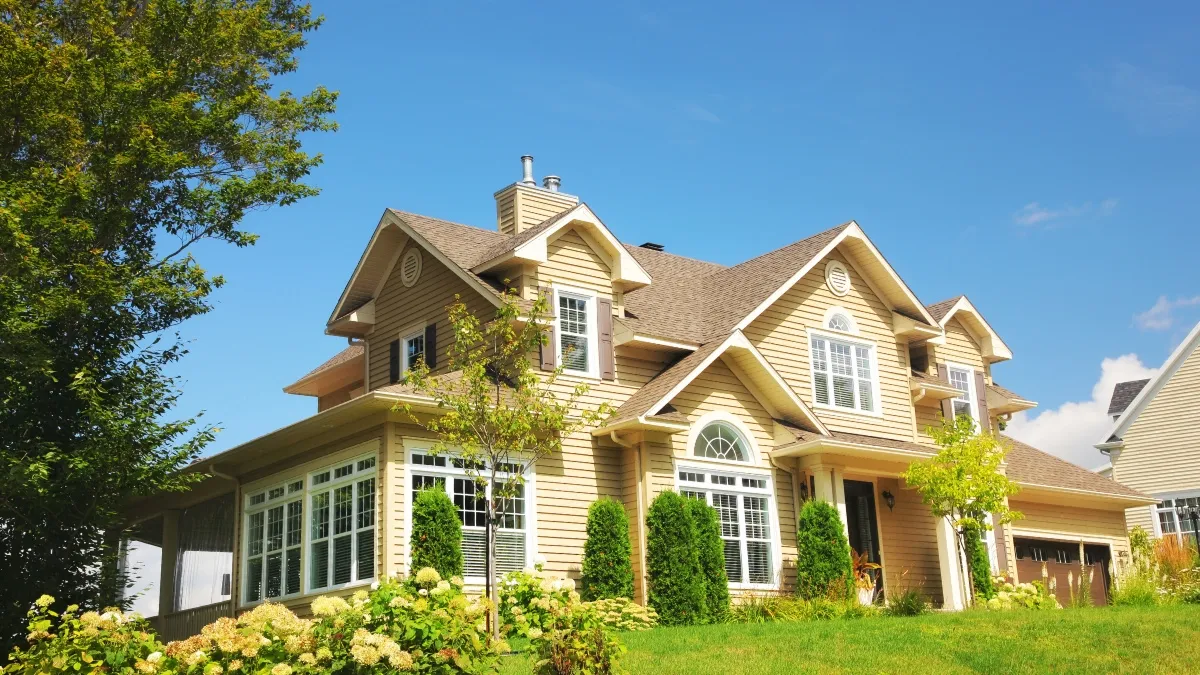
Sustainable living is rapidly shifting from a niche lifestyle choice to a mainstream housing standard. Homeowners across the globe are swapping outdated appliances for energy-efficient models, adding insulation, and mounting solar panels to their roofs. This growing interest in eco-friendly home improvement is driven by a desire to live responsibly, but it also raises an important practical question.
The True Benefits of Green Home Upgrades
Eco-friendly home improvements offer a variety of advantages that extend far beyond a single utility bill.
Environmental Benefits
The most obvious advantage of a green home is its positive impact on the planet. By consuming less power and utilizing renewable resources, you drastically reduce your household’s carbon footprint. Conserving natural resources like water and fossil fuels helps protect local ecosystems and reduces the overall strain on municipal infrastructures.
Financial Benefits
Green upgrades frequently lead to significant energy savings. High-efficiency appliances and better insulation translate directly to lower monthly utility bills. Additionally, many local governments and federal programs offer incentives, tax credits, and rebates to offset the initial purchase price of these systems. Over time, these improvements can also increase your overall property value, making your home more attractive to future buyers.
Health and Comfort Benefits
Sustainability also improves your daily living experience. Better ventilation systems and non-toxic building materials improve indoor air quality by reducing dust, allergens, and chemical pollutants. Upgraded insulation and high-performance windows eliminate drafts, resulting in more consistent and comfortable indoor temperatures year-round.
Common Green Home Upgrades
If you are ready to make a change, several popular upgrades offer reliable performance and measurable returns.
Solar Panels
Converting sunlight into usable electricity is one of the most effective ways to lower your reliance on the grid. Solar panels can power everything from your refrigerator to your heating system, often generating enough energy to eliminate your electric bill.
Energy-Efficient Windows and Insulation
A massive amount of energy escapes through poorly sealed windows and thin walls. Installing double-pane windows and upgrading attic insulation traps conditioned air inside. This means your heating and cooling systems do not have to work as hard to maintain a comfortable climate.
Smart Thermostats and Home Energy Management Systems
Smart thermostats learn your daily routine and adjust the temperature accordingly. They ensure you are not wasting energy heating or cooling an empty house. Comprehensive energy management systems take this a step further by monitoring all electrical usage, allowing you to optimize your consumption straight from your smartphone.
Water-Saving Fixtures and Appliances
Low-flow showerheads, dual-flush toilets, and water-efficient washing machines significantly cut down on household water usage. These fixtures utilize specialized aerators and pressure systems to maintain performance while using a fraction of the water.
Sustainable Landscaping
Green upgrades are not limited to the interior of your house. Planting drought-resistant native flora reduces the need for constant watering. Strategic tree placement can also provide natural shade for your home, naturally lowering your summer cooling costs.
Cost vs. Savings Analysis
Understanding the financial mechanics of eco-friendly renovations is crucial for making an informed decision.
Initial Investment Costs
The upfront price tag varies wildly depending on the project. A smart thermostat might cost $200, while a comprehensive solar panel installation can range from $15,000 to $30,000 before tax credits. Replacing all the windows in a standard single-family home frequently exceeds $10,000.
Projected Savings Over Time
While the initial costs can be steep, the long-term savings often justify the expense. A solar panel system typically pays for itself in seven to ten years through eliminated electricity bills. Upgrading insulation and sealing leaks can yield a return on investment of over 100% upon resale, while saving you 15% on heating and cooling costs annually.
Factors Influencing ROI
Your actual savings will depend on several variables. Local climate plays a huge role; solar panels generate more value in sunny regions, while premium insulation is highly valuable in areas with harsh winters. Existing home efficiency and regional utility rates also dictate how fast you will recoup your initial investment.
Potential Downsides and Considerations
Before committing to a massive green overhaul, it is important to acknowledge the potential hurdles.
Upfront Costs and Affordability
The biggest barrier to entry is the initial capital required. Even with rebates and financing options, dropping thousands of dollars on a new HVAC system or solar array is not feasible for every budget.
Installation Complexity and Time
Major renovations disrupt daily life. Upgrading insulation might require opening up walls, and installing a geothermal heat pump involves heavy yard excavation. You must be prepared for the noise, mess, and timeline of significant construction work.
Market Value vs. Personal Value
Not all upgrades hold the same appeal for every buyer. While energy-efficient windows are universally appreciated, highly specific landscaping or complex energy management systems might not yield a dollar-for-dollar return if the next owner does not value those features.
How to Choose the Right Green Upgrades for Your Home
Selecting the right projects requires careful planning and a clear understanding of your property’s current condition.
Assess Your Current Home’s Efficiency
Start by scheduling a professional home energy audit. An auditor will inspect your house for air leaks, check insulation levels, and evaluate your heating and cooling equipment. This provides a clear roadmap of where you are losing the most energy.
Prioritize Upgrades Based on ROI and Personal Goals
Focus on the low-hanging fruit first. Sealing drafts and upgrading to LED lighting offer immediate returns for minimal cash. Once the basics are covered, you can evaluate larger projects based on how long you plan to stay in the home and your available budget.
Research Local Incentives and Qualified Professionals
Always look for state and federal tax credits before making a purchase. When it comes time to install, hire certified contractors who specialize in green building. For example, if you are looking at renewable energy, researching the top solar companies in Utah will ensure you find a team capable of maximizing your system’s efficiency and navigating local permit requirements.
Conclusion
Green home upgrades are generally a highly worthwhile investment, provided you choose projects that align with your property’s specific needs. They offer a compelling mix of environmental preservation, long-term financial savings, and immediate improvements to your daily comfort. Regional utility costs, including texas electricity rates, can also affect how quickly homeowners recover the cost of efficiency upgrades.