
Sustainability is no longer just a passing trend. Across the United Kingdom, consumers are becoming more aware of how everyday purchases affect the environment. From packaging and household essentials to clothing and furniture, people are paying closer attention to the materials behind the products they use.
This shift in consumer behaviour has encouraged brands to rethink traditional manufacturing methods. Rather than relying heavily on finite resources or materials that create long term waste, businesses are exploring smarter and more responsible alternatives. One material that continues to gain attention is bamboo.
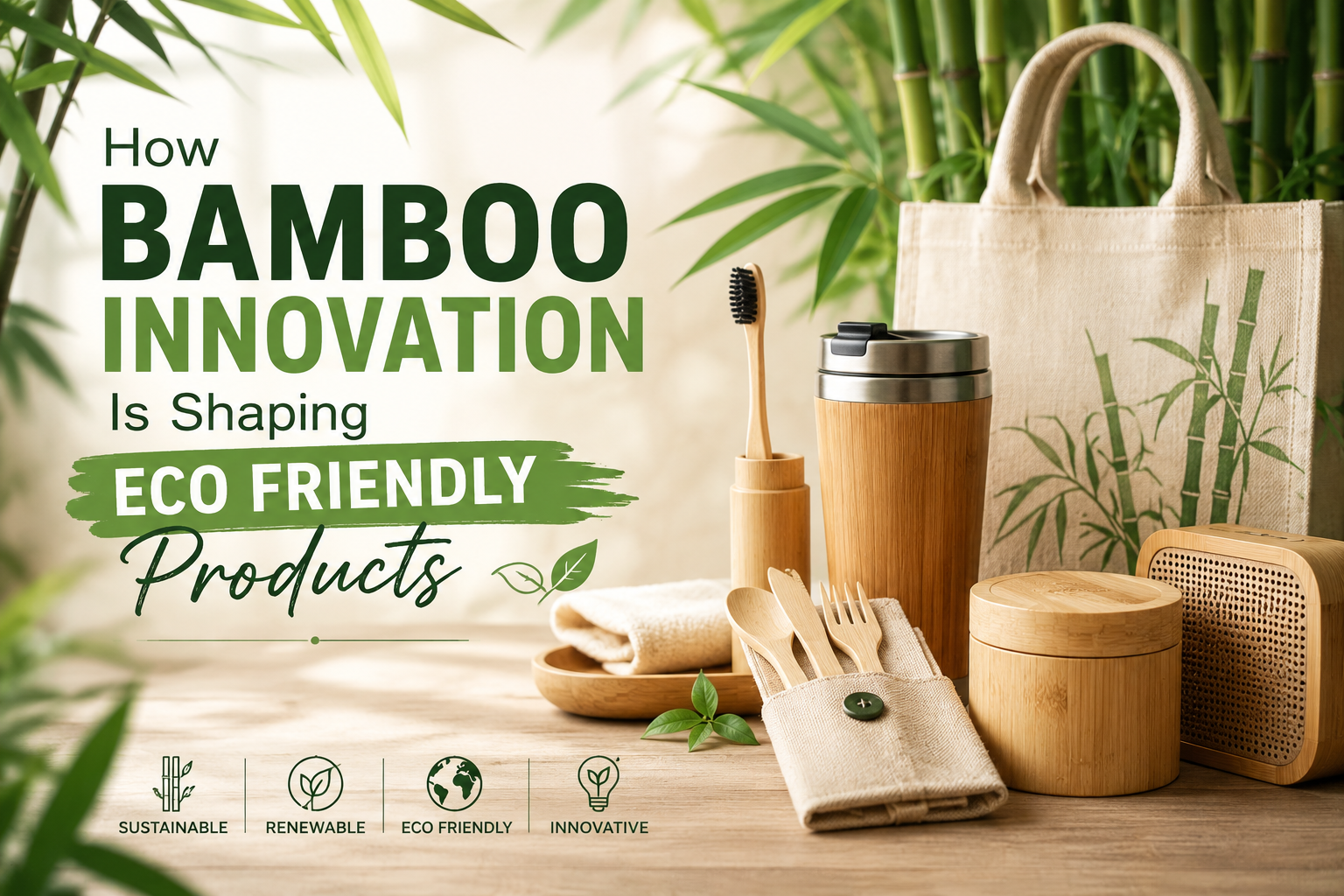
Its fast growth, versatility, and low environmental impact have made it one of the most promising natural resources in the sustainability movement. Understanding How Bamboo Innovation Is Shaping Eco Friendly Products helps explain why this material is becoming central to modern product development.
Why Bamboo Has Become So Popular
Bamboo is often described as one of the most sustainable plants in the world, and for good reason. Unlike traditional trees, which can take decades to mature, bamboo grows at an exceptional rate. Some species can grow several feet in a single day, while most mature within three to five years.
This rapid growth cycle makes bamboo highly renewable. It can be harvested frequently without causing long term ecological damage, unlike slow growing forests that take decades to recover.
Bamboo also regenerates naturally from its root system after harvesting. This means replanting is often unnecessary, which reduces soil disruption and labour demands.
Beyond growth speed, bamboo requires fewer pesticides and less water than many conventional crops. These natural advantages have made it increasingly attractive for businesses looking to reduce their environmental footprint.
Innovation Is Expanding Bamboo’s Potential
Bamboo has been used for centuries in traditional applications such as construction, utensils, and textiles. However, modern innovation has dramatically expanded its potential.
Advances in processing technology now allow bamboo to be transformed into a wide range of materials suitable for everyday products. Engineers and manufacturers have developed new ways to refine bamboo fibres, strengthen bamboo composites, and improve durability across multiple product categories.
This innovation means bamboo is no longer limited to simple handcrafted goods. It is now integrated into mainstream products that combine functionality, comfort, and sustainability.
These developments clearly demonstrate How Bamboo Innovation Is Shaping Eco Friendly Products in ways that go far beyond basic household use.
Bamboo in Household Essentials
One of the most visible areas of bamboo innovation is household essentials. Consumers are increasingly replacing conventional disposable products with alternatives made from renewable materials.
Paper based products are a key example. Traditional paper manufacturing often relies on slow growing trees, intensive water use, and chemical processing. Bamboo provides a practical alternative because it grows quickly and can be processed efficiently.
Products such as bamboo toilet rolls have become particularly popular among environmentally conscious households. They offer similar softness and functionality while reducing reliance on virgin wood pulp.
Kitchen products have also embraced this shift. Many consumers now choose bamboo kitchen rolls as part of a broader effort to reduce environmental impact in everyday routines. Likewise, softer disposable products like bamboo toilet tissue are gaining recognition as practical alternatives within eco-friendly homes. These changes may appear simple, but they represent a larger transformation in consumer behaviour.
Sustainable Packaging Solutions
Packaging waste remains one of the biggest environmental concerns globally. Single use plastics, mixed materials, and excessive packaging all contribute to growing waste problems.
Bamboo innovation is helping address this issue through more sustainable packaging solutions.
Manufacturers are now experimenting with bamboo based packaging materials that are biodegradable, compostable, and durable enough for commercial use. This includes food packaging, shipping inserts, protective wraps, and product containers.
Unlike conventional plastic materials, bamboo based alternatives break down more naturally under the right conditions.
As e-commerce continues to expand, packaging innovation is becoming increasingly important. Businesses are under pressure to reduce waste while maintaining product safety and quality.
This is another important example of How Bamboo Innovation Is Shaping Eco Friendly Products for both businesses and consumers.
Bamboo in Furniture and Homeware
The furniture industry has historically relied on hardwoods, synthetic materials, and chemically treated composites. These materials can have significant environmental consequences.
Bamboo offers a renewable alternative with strong structural qualities. It is lightweight, durable, and naturally attractive, making it ideal for furniture and home accessories.
Innovative processing methods now allow bamboo to be compressed and engineered into highly durable boards suitable for shelving, flooring, tables, and storage solutions.
Its natural appearance also aligns well with modern interior trends that favour minimalism, natural textures, and warm tones.
Consumers increasingly appreciate products that combine sustainability with aesthetic appeal, and bamboo performs well on both fronts.
Bamboo Textiles and Fabric Innovation
Textile production is another industry undergoing major transformation. Conventional fabrics such as polyester rely on fossil fuels, while traditional cotton farming often demands high water usage and chemical treatments.
Bamboo fibres offer an alternative route.
Modern textile innovation has enabled bamboo to be processed into soft, breathable fabrics used in clothing, bedding, towels, and home textiles.
These fabrics are valued for comfort, moisture management, and softness. They also appeal to consumers seeking more sustainable wardrobe and home choices.
As demand for natural fibres continues to grow, bamboo textiles are becoming an increasingly familiar part of everyday life.
This further highlights How Bamboo Innovation Is Shaping Eco Friendly Products across multiple industries rather than a single niche.
Supporting the Circular Economy
Sustainability is no longer just about replacing one material with another. Increasingly, the focus is on designing systems that minimise waste and maximise resource efficiency. This is where bamboo aligns well with circular economy principles.
Because bamboo is renewable, biodegradable, and highly versatile, it supports product systems designed around reduced waste and responsible material cycles.When used thoughtfully, bamboo products can help reduce dependency on materials that are difficult to recycle or harmful to ecosystems.
This does not mean bamboo alone solves environmental challenges, but it plays an important role in broader sustainability strategies.
As innovation continues, more brands are exploring ways to integrate bamboo into products that prioritise longevity, recyclability, and responsible disposal.
Consumer Demand Is Driving Change
Innovation rarely happens in isolation. Consumer behaviour is a major driver behind the rise of bamboo products. Modern shoppers are increasingly informed. They read labels, research sourcing practices, and look for brands aligned with their values. This demand has created strong market incentives for businesses to invest in sustainable materials and responsible manufacturing.
Bamboo fits neatly into this shift because it offers practical performance alongside environmental benefits. Importantly, consumers do not want to sacrifice quality for sustainability. Bamboo innovation has succeeded partly because it helps deliver both.This balance between function and responsibility explains much of bamboo’s growing commercial success.
Challenges and Future Opportunities
While bamboo offers clear benefits, it is not without challenges. Transportation emissions, processing methods, and certification standards all influence the true sustainability of bamboo products. Poor manufacturing practices can undermine some environmental benefits.
This is why innovation must continue to improve not just product design, but entire supply chains.Future opportunities include more efficient processing, cleaner manufacturing, better recycling systems, and stronger sourcing transparency.
As these areas improve, bamboo’s role in sustainable product development is likely to expand even further. The future may include broader use of bamboo in construction materials, advanced packaging, consumer electronics accessories, and industrial applications.
Conclusion
Bamboo has evolved from a simple natural resource into a symbol of practical sustainability. Its rapid growth, renewability, and versatility make it uniquely positioned to support the transition towards more responsible production and consumption.
Advances in technology have significantly expanded how bamboo can be used across industries, from household essentials and packaging to textiles and furniture. Understanding How Bamboo Innovation Is Shaping Eco Friendly Products highlights the importance of material innovation in building a more sustainable future.
As consumers continue to prioritise environmentally conscious choices, bamboo is likely to remain at the centre of this movement. The growing presence of bamboo based products demonstrates that sustainability does not have to mean compromise. With the right innovation, natural materials can deliver quality, convenience, and reduced environmental impact all at once.