
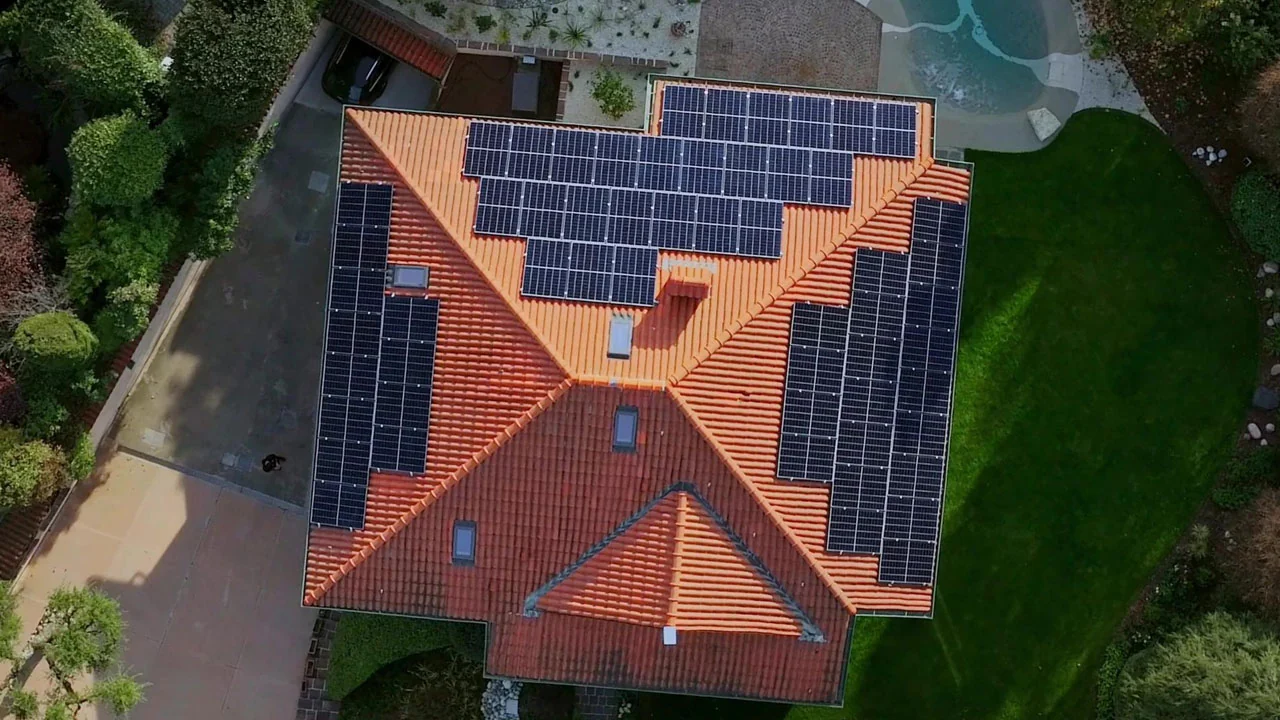
For a family evaluating generation, home storage and flexible electricity use as one system, the household, installer and future service technician need to identify how power, data and controls work together. That review should cover compatibility, communications and acceptance testing, because the ultimate objective involves comfort, verifiable energy savings, electrical safety and long-term maintainability. Infrastructure planning becomes easier when each proposed function is connected to an owner, a measurement and a realistic operating scenario. A good plan links these practical questions to tests, documented responsibilities and realistic site conditions.
Design around occupants
Working-from-home schedules, heat pumps and evening cooking create distinct load peaks that can change the preferred system size. A clear design record helps distinguish a design limitation from a setting, installation or operating problem discovered later.
Understand self-consumption
Energy produced around noon does not automatically replace energy bought at night. Compare generation estimates with when the household actually uses power, and distinguish self-consumption from exports to the grid.
Back-up boundaries
Backup power should be specified for particular circuits and duration rather than assumed to supply every appliance through an outage. The responsible team should keep evidence of the assumptions and explain which conditions would trigger a design review.
When comparing an integration approach, review residential solar energy system with the proposed control architecture and acceptance criteria. Check that responsibility for each interface is explicit.
Coordinate components
Modules, inverter, battery, controls and the grid connection must behave together. Interface compatibility deserves review before procurement. Any related promise should be linked to a documented test method and to the operating conditions for which it applies.
Define household goals
Some families prioritize bill savings; others value limited backup capability or convenient EV charging. An explicit priority helps avoid poorly matched equipment. Before approving equipment, ask for a drawing or operating scenario that demonstrates the stated function under local conditions.
Consider future transport
An EV charger may increase flexible demand; its usefulness depends on vehicle arrival time, wiring and control configuration. Before approving equipment, ask for a drawing or operating scenario that demonstrates the stated function under local conditions.
For systems that need to exchange data or power, compare residential solar energy system with the agreed integration map and obtain confirmation of relevant interfaces.
Keep an honest forecast
Savings estimates should show assumptions for sunlight, tariff changes, self-consumption and possible equipment degradation. This is also a useful point to identify the maintenance team, the safety procedure and the records needed during a future fault.
For a residential solar energy system, the decisive question is whether the specified functions can be supported by site evidence, safe procedures and an accountable operating model. Each requirement should be reviewed against the actual project, not assumed to apply everywhere.
Confirm the interfaces
The final integrated test should trace critical commands and measurements across the responsible systems. Unclear interface ownership is easier to repair before normal operations begin.