
Planning a cruise to Alaska can feel a bit overwhelming at first. You start looking at itineraries, and suddenly you’re comparing routes you’ve never heard of. The Inside Passage shows up everywhere, but then there are Gulf of Alaska sailings, one-way routes, and expedition-style trips. They all promise glaciers, wildlife, and unforgettable scenery. So what actually sets them apart?
The truth is, each route offers a slightly different experience. Some focus on calm sailing and classic ports, while others lean into rugged landscapes and longer distances. Knowing the differences ahead of time can help you pick a trip that fits your pace and expectations.
What Is the Inside Passage?
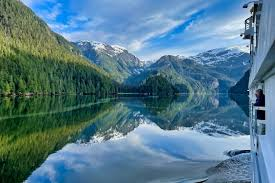
The Inside Passage is the most popular route for a reason. It’s a protected coastal waterway that runs between the mainland of Alaska and a chain of islands. Because ships travel through sheltered waters, the ride tends to be smooth. That matters more than people expect until they’ve spent a night on the open ocean.
This route typically includes stops in places like Ketchikan, Juneau, and Skagway. You’ll also likely cruise past glaciers, with some itineraries visiting areas like Glacier Bay National Park.
It’s a round-trip option most of the time, often departing from Seattle or Vancouver. That makes it convenient if you prefer not to deal with extra flights.
What Makes the Inside Passage Different?
The biggest difference comes down to accessibility and comfort. The Inside Passage is ideal if you want a relaxed introduction to Alaska. You’ll see plenty of wildlife, towering forests, and glacier views without long stretches of rough water.
There’s also a rhythm to this route that many travelers appreciate. You’ll alternate between scenic cruising days and port stops where you can explore towns, go whale watching, or take short excursions inland. It feels balanced, not rushed.
That said, some travelers come away wishing they had gone deeper into Alaska’s interior. The Inside Passage keeps you along the southeastern coastline. It’s beautiful, no question, but it doesn’t reach as far north as other routes.
Gulf of Alaska Routes: Going Further North
Gulf of Alaska cruises tend to be one-way sailings rather than round trips. These usually run between Vancouver and Anchorage, sometimes using nearby ports like Whittier or Seward.
Because of that, they cover more ground. You’ll still visit some Inside Passage highlights, but the journey continues into areas like Hubbard Glacier or College Fjord.
The tradeoff is that you’ll spend more time in open water, especially when crossing the Gulf itself. That can mean a bit more motion, depending on the weather. For some people, it adds a sense of adventure. For others, it’s something to prepare for with motion remedies.
Expedition Cruises: A Closer Look at Nature
Then there are expedition-style cruises, which feel like a completely different category. These are usually smaller ships that focus less on traditional ports and more on remote areas.
Instead of docking in busy towns, you might spend the day kayaking near a glacier or taking a guided hike along a quiet shoreline. The pace is slower, but the experiences are more immersive. You’re not just seeing Alaska from a distance. You’re stepping into it.
These cruises often still pass through parts of the Inside Passage, but they go beyond it in a more flexible way. Routes can change based on weather or wildlife sightings, which keeps things unpredictable in a good way.
Round-Trip vs. One-Way: Why It Matters
One detail that often gets overlooked is whether the cruise is round-trip or one-way. Inside Passage itineraries are usually round-trip, which simplifies travel plans. You fly in and out of the same city, unpack once, and settle in.
Gulf of Alaska routes, on the other hand, require a bit more coordination. You’ll start in one city and end in another. That might mean booking additional flights or even extending your trip with a land tour.
For some travelers, that’s actually a benefit. It opens the door to visiting Alaska’s interior, including places like Denali. For others, it adds complexity they’d rather avoid.
Which Route Is Best for You?
There isn’t a single “best” option. It depends on what kind of trip you’re hoping to have.
If you want a smooth, scenic introduction with classic stops and easy logistics, the Inside Passage is hard to beat. It’s a comfortable way to experience Alaska without too many moving parts.
If you’re curious about seeing more of the state and don’t mind a slightly more involved itinerary, Gulf of Alaska routes offer a broader perspective. You’ll cover more distance and see landscapes that feel a bit more remote.
And if your priority is getting close to nature in a quieter setting, expedition cruises stand out. They trade big-ship amenities for access and flexibility.
Choosing the Route that Fits Your Needs
When people talk about Alaska cruises, they often lump everything together. In reality, the route you choose shapes the entire experience. The scenery may overlap, but how you interact with it can feel completely different.
The Inside Passage delivers calm waters and iconic stops, making it a favorite for first-time visitors. Gulf routes stretch further, adding a sense of scale and discovery. Expedition cruises slow things down and bring you closer to the wild side of Alaska.
Take a moment to think about what matters most to you. Is it convenience, variety, or immersion? Once you answer that, the right route usually becomes clear.