
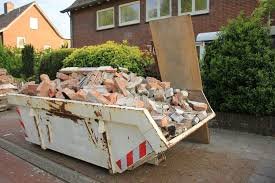
Residential renovation projects rarely generate just one type of waste. A kitchen remodel may produce cabinetry, drywall, flooring, fixtures, and packaging materials. A whole-home renovation can add insulation, roofing materials, framing lumber, tile, countertops, and demolition debris to the mix. As projects become larger and involve multiple trades, managing mixed construction debris becomes one of the key factors in maintaining an efficient and organized job site.
For contractors, effective debris management helps reduce downtime, improve safety, and keep renovation schedules on track. A structured approach to handling mixed materials can also reduce unnecessary labor and create a more professional experience for homeowners throughout the project.
Why Mixed Debris Creates Unique Challenges
Unlike specialized demolition projects that generate mostly one material type, residential renovations often produce a wide variety of waste streams at the same time. Demolition crews may be removing old materials while installers are bringing in new products and generating packaging waste.
The result is a combination of materials that can include drywall, wood, flooring, tile, insulation, metal, fixtures, cabinetry, and general construction debris. Each material has different handling characteristics, and together they can quickly create cluttered work areas if a disposal plan is not in place.
Because residential properties typically have limited staging space, debris management becomes even more important than it might be on larger commercial sites.
Developing a Waste Management Plan Before Renovation Begins
Successful contractors understand that debris management should be part of the project plan from the start. Waiting until demolition is underway often leads to overcrowded work areas and inefficient cleanup procedures.
A waste management plan should account for anticipated debris volume, disposal locations, container placement, and cleanup responsibilities. Contractors should also consider how debris will move through the property and identify routes that minimize disruption to finished or occupied areas.
Planning ahead helps create a smoother workflow throughout every stage of the renovation.
Using a Centralized Disposal Strategy
One of the most effective ways to manage mixed construction debris is by using a centralized disposal system. Instead of allowing waste to accumulate in individual rooms, crews can transport materials to a designated disposal area throughout the day.
Many contractors coordinate debris removal through Waste Removal USA to help maintain organization during residential remodeling projects. A centralized approach reduces clutter, simplifies cleanup, and allows workers to focus on productive construction tasks rather than moving debris repeatedly.
This strategy becomes particularly valuable on larger renovations involving multiple work zones.
Coordinating Debris Removal Between Trades
Residential renovation projects often involve several subcontractors working on different phases of the job. Electricians, plumbers, drywall installers, painters, flooring contractors, and finish carpenters all generate debris in different ways.
Without clear communication, waste can quickly accumulate between phases as each trade assumes someone else will handle cleanup. Establishing expectations early helps ensure that all crews contribute to maintaining organized work areas.
Contractors who make cleanup part of the daily routine often experience fewer delays and smoother transitions between trades.
Managing Heavy and Lightweight Materials Together
One of the biggest challenges with mixed debris is balancing heavy materials with lighter waste. Tile, concrete, countertops, and cabinetry can quickly add weight, while drywall, insulation, and packaging materials occupy significant volume.
Contractors should pay close attention to how debris is loaded and managed throughout the project. Heavy materials should be distributed carefully, while bulky materials may need to be broken down to maximize available disposal space.
Proper handling improves efficiency and helps prevent unnecessary interruptions caused by overloaded containers or cluttered staging areas.
Protecting Finished Areas During Debris Removal
As renovation work progresses, portions of the home may already be completed while construction continues elsewhere. Debris movement through these areas can create risks for newly installed flooring, trim, paint, and fixtures.
Maintaining designated debris routes helps reduce unnecessary traffic through finished spaces. Consistent cleanup also minimizes dust and loose materials that can spread throughout the property during active construction.
Protecting completed work helps preserve quality and reduces the likelihood of costly repairs or touch-ups later in the project.
Maintaining Safe Job Site Conditions
Construction debris is more than an organizational issue—it can also become a significant safety concern. Materials left in hallways, stairways, or work zones create obstacles that increase the risk of accidents.
A structured debris management system helps maintain:
- Clear pathways for workers and homeowners
- Better visibility throughout active work areas
- Reduced tripping hazards
- Safer movement of tools and materials
Clean work environments support both productivity and safety throughout the renovation.
Coordinating Waste Removal with Project Phases
Different phases of a residential renovation generate different types and amounts of debris. Demolition often produces large volumes of waste early in the project, while later stages create packaging materials, trim scraps, and finishing debris.
Contractors who adjust their disposal strategies throughout the renovation are better able to maintain organization as project needs change. This may involve scheduling additional pickups during heavy demolition periods or increasing cleanup frequency as finish work begins.
Matching disposal capacity to project activity helps maintain steady progress.
Managing Debris in Occupied Homes
Many residential renovations occur while homeowners continue living in part of the property. In these situations, debris management becomes even more important.
Contractors should pay special attention to maintaining clean access routes, minimizing clutter in shared spaces, and removing waste regularly. Keeping work zones organized helps reduce inconvenience for homeowners and creates a safer environment throughout the renovation.
Good debris management can significantly improve the homeowner’s experience during a lengthy remodeling project.
Scheduling Consistent Cleanup and Removal
One of the most effective ways to prevent debris problems is by making cleanup a daily priority. Waiting until the end of the project often results in overcrowded work areas and increased labor demands.
Regular cleanup allows crews to maintain better control over materials and prevents waste from interfering with ongoing construction activities. Consistent removal also makes it easier to identify hazards and maintain a professional appearance throughout the project.
Daily attention to cleanup often saves time compared to dealing with large accumulations later.
Adapting to Unexpected Conditions
Residential renovations frequently uncover hidden issues once demolition begins. Water damage, outdated wiring, structural problems, or additional homeowner requests can increase debris volume unexpectedly.
Contractors should remain flexible and be prepared to adjust disposal schedules or capacity as project conditions change. A flexible approach helps maintain organization even when the renovation evolves beyond its original scope.
Being proactive about waste management makes it easier to respond to unforeseen challenges.
Improving Efficiency Through Better Organization
Efficient debris handling has a direct impact on productivity. Workers spend less time moving materials, clearing workspaces, or navigating cluttered areas when waste is managed consistently.
Organized job sites also improve communication between trades and reduce delays between project phases. Contractors who prioritize debris management often find that projects move more smoothly and require fewer labor hours overall.
Better organization supports stronger project performance from beginning to end.
Handling mixed construction debris during residential renovations requires planning, coordination, and consistent execution. By establishing centralized disposal systems, coordinating cleanup between trades, and maintaining regular debris removal throughout the project, contractors can keep renovation sites organized and productive.
When mixed debris is managed effectively, work areas remain safer, completed spaces stay protected, and projects progress more efficiently. For contractors overseeing residential renovations, strong debris management practices are an important part of delivering successful results and maintaining a professional construction environment.