
Upgrading your air conditioning system is a big decision. Many homeowners think about it when their old unit stops working well. One key factor to consider is the SEER rating, which stands for Seasonal Energy Efficiency Ratio. This rating tells you how efficient your AC system is.
In warm places like Texas or Florida, air conditioners run for long hours. A low-efficiency unit can lead to high energy bills and poor cooling. That is why many people choose a high SEER AC replacement system.
But when is the right time to upgrade? In this guide, we will explain the signs, benefits, and factors that help you decide the best time to switch to a more efficient system.
What Is SEER Rating in AC Systems?
How SEER Rating Works in Simple Terms
The SEER rating measures how much cooling your AC provides compared to the energy it uses. A higher number means better efficiency.
For example, a SEER 16 AC unit uses less energy than a SEER 13 system while providing the same cooling. This means lower energy bills over time.
Why SEER Rating Matters for Energy Efficiency
Energy efficiency is important for both cost and comfort. A high SEER-rated air conditioner uses less electricity. This helps reduce monthly bills and puts less strain on the system.
In states like Arizona, where cooling is needed most of the year, efficiency makes a big difference.
What Is SEER Rating AC Replacement?
Upgrading to a Higher SEER System
A SEER rating AC replacement means replacing your old unit with a newer, more efficient one. Modern systems often have higher SEER ratings and better technology.
Upgrading allows your home to stay cooler while using less energy.
How It Improves Cooling Performance
A high-efficiency system provides steady and even cooling. It reduces hot spots and keeps indoor temperatures more consistent.
With a modern HVAC system, you also get better airflow and quieter operation.
When Should You Consider SEER Rating AC Replacement?
Signs Your Old AC Is Inefficient
There are clear signs that your current system may not be efficient:
- Your AC is more than 10–15 years old
- Cooling feels uneven in different rooms
- The system runs longer than usual
Older systems often have lower SEER ratings, which means they use more energy.
Rising Energy Bills and Poor Cooling
If your energy bills keep going up, your AC may be the reason. A worn-out system works harder to cool your home.
In cities like Los Angeles, where summers can be hot, inefficient systems lead to higher costs and less comfort.
Benefits of High SEER AC Replacement
Lower Energy Costs
One of the biggest benefits is saving money on energy bills. A high SEER AC system uses less electricity.
Over time, these savings can cover the cost of the upgrade.
Better Indoor Comfort
Modern systems provide even cooling across your home. This means fewer hot or cold spots.
A high-efficiency air conditioning unit also adjusts better to changing temperatures.
Environmentally Friendly Cooling
Using less energy helps reduce your carbon footprint. A high SEER-rated HVAC system is a more eco-friendly choice.
This is important for homeowners who want to reduce their impact on the environment.
How to Choose the Right SEER Rating for Your AC
Understanding SEER Numbers (14, 16, 18, etc.)
SEER ratings usually range from 14 to 20 or higher. A SEER 14 unit is the minimum standard in many areas.
Higher ratings like SEER 18 or SEER 20 offer better efficiency but may cost more upfront.
Matching SEER Rating to Your Climate
Your location plays a big role in choosing the right system. In hot climates like Nevada, a higher SEER rating is often worth it.
In milder areas, a mid-range SEER system may be enough.
SEER Rating vs Standard AC Systems
Key Differences Explained
The main difference between high SEER and standard systems is efficiency. A standard AC unit uses more energy to cool the same space.
A high SEER system uses advanced technology to improve performance and reduce energy use.
Is a High SEER System Worth It?
For many homeowners, the answer is yes. If you use your AC often, the energy savings can be significant.
In areas like Georgia, where summers are long, upgrading to a high SEER system can improve both comfort and cost savings.
Tips Before Upgrading to a High SEER AC System
Budget and Long-Term Savings
While a high SEER system costs more upfront, it saves money over time. It is important to look at the total cost, not just the purchase price.
Think about how long you plan to stay in your home. Long-term use increases the value of your investment.
Professional Installation Considerations
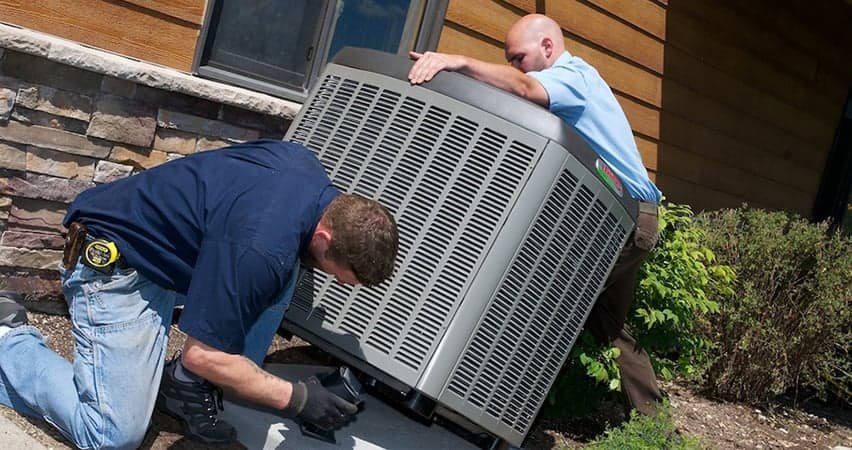
Proper installation is key to performance. A poorly installed system will not work as efficiently, even if it has a high SEER rating.
In cities like Houston, professional installation ensures the system works correctly and safely.
Conclusion
Upgrading to a high SEER AC replacement system is a smart move when your current unit becomes inefficient. Signs like rising energy bills, poor cooling, and an aging system all point to the need for an upgrade.
A high SEER-rated air conditioner offers better efficiency, improved comfort, and long-term savings. It also helps reduce energy use, making it a more environmentally friendly choice.
By understanding your needs, climate, and budget, you can choose the right time to upgrade. In the end, the right AC replacement system will keep your home cool, efficient, and comfortable for years to come.