
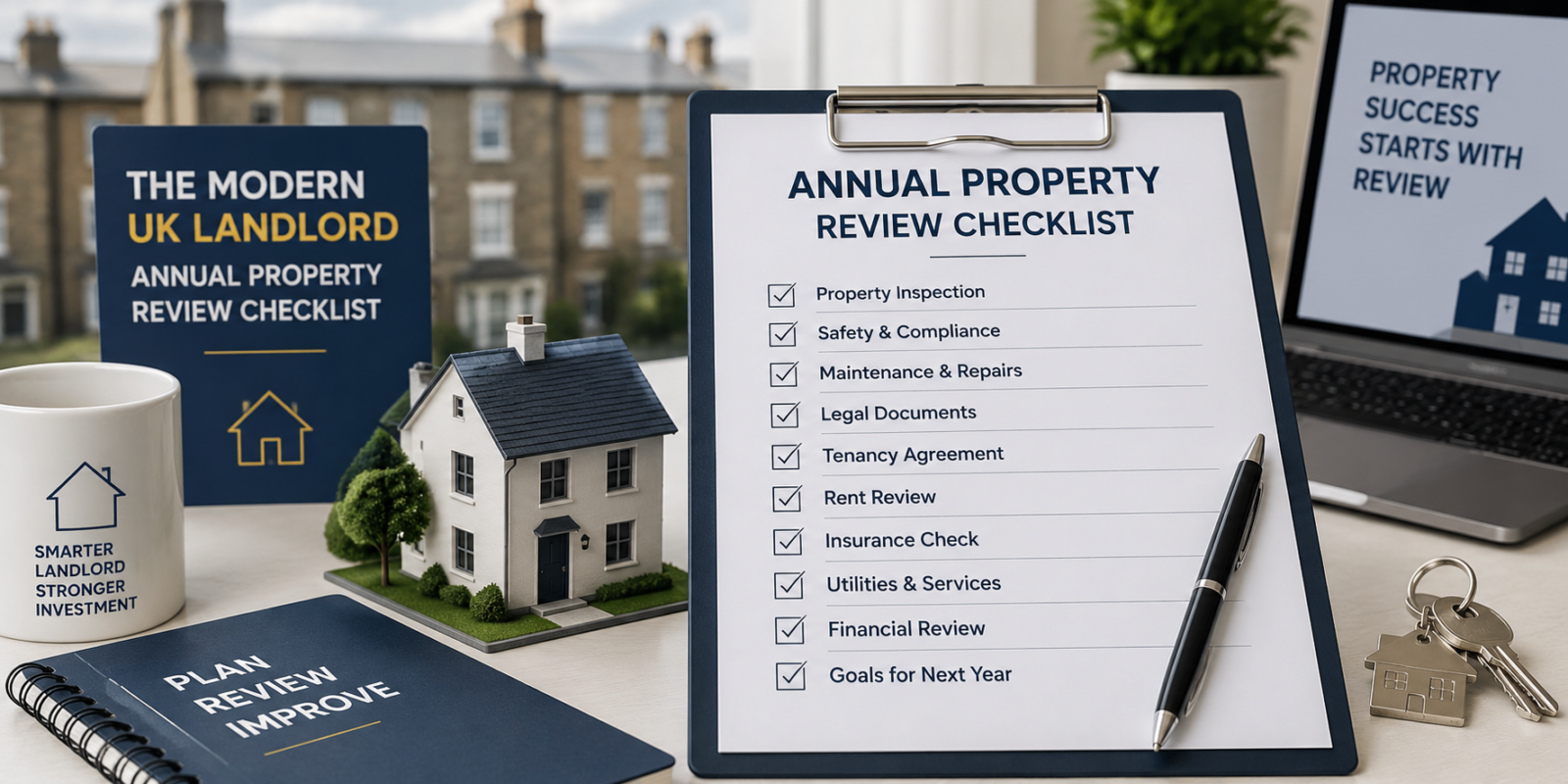
Owning a rental property is about more than collecting rent each month. A successful buy-to-let investment requires regular reviews to ensure it continues to meet your financial goals, satisfies tenants and remains competitive in a changing rental market.
Many landlords only assess their property when a tenancy ends or a maintenance issue arises. However, carrying out a structured annual review can help identify opportunities to improve rental income, reduce unexpected costs and protect the long-term value of your investment.
Whether you own one rental property or a growing portfolio, this annual landlord checklist will help you evaluate every important aspect of your buy-to-let and prepare for the year ahead.
Why Every Landlord Should Review Their Property Annually
No investment should be left on autopilot. Local rental markets evolve, tenant expectations change and property maintenance requirements increase over time. An annual review helps you answer important questions such as:
- Is my property still achieving its full rental potential?
- Are there any improvements that could increase tenant demand?
- Have my running costs increased?
- Am I planning ahead rather than reacting to issues?
- Is my investment supporting my long-term objectives?
Setting aside a few hours each year to review your property can help you make informed decisions before small issues become larger problems.
1. Review Your Rental Income
One of the first areas to assess is your property’s financial performance. Compare your current rent with similar properties in your local area and consider whether it still reflects market conditions. When reviewing rental income, ask yourself:
- Is the property priced competitively?
- Has demand changed locally?
- Have improvements increased the property’s value?
- Would tenants still see the property as good value?
A balanced review helps ensure your property remains attractive while delivering a fair return on your investment.
2. Assess the Overall Condition of the Property
Every property experiences wear and tear over time. Walk through your property as though you were a prospective tenant. Look closely at:
- Interior decoration
- Flooring
- Kitchen units
- Bathrooms
- Windows and doors
- Roofing
- External brickwork
- Fencing and gardens
Small cosmetic improvements can significantly improve first impressions and may help reduce future maintenance costs.
3. Review Planned Maintenance
Rather than waiting for problems to occur, develop a maintenance schedule for the coming year. Consider upcoming work such as:
- Boiler servicing
- Roof inspections
- Gutter cleaning
- Exterior painting
- Appliance servicing
- Garden maintenance
Preventative maintenance is often less disruptive and more cost-effective than emergency repairs.
4. Evaluate Your Tenancy
Good tenants are one of the greatest assets a landlord can have. Take time to review how the tenancy has progressed. Questions worth asking include:
- Has rent always been paid on time?
- Are tenants communicating effectively?
- Have maintenance issues been resolved promptly?
- Is the tenancy likely to continue?
If tenants are happy and the property is well cared for, encouraging a longer tenancy can reduce void periods and associated costs.
5. Review Property Running Costs
Rental income is only one side of the equation. Review annual expenditure including:
- Maintenance
- Insurance
- Mortgage payments
- Service charges
- Contractor costs
- Safety inspections
Comparing costs year on year may highlight opportunities to improve efficiency or negotiate better value from suppliers.
6. Consider Tenant Appeal
Tenant expectations continue to evolve. Features that can make your property more attractive include:
- Neutral décor
- Modern kitchens
- Updated bathrooms
- Energy-efficient heating
- Secure outdoor areas
- Reliable broadband availability
- Good storage solutions
You don’t always need major renovations. Smaller improvements often deliver excellent value while making your property more appealing to prospective tenants.
7. Assess Your Property’s Long-Term Potential
An annual review should also focus on the future. Consider:
- Could an extension increase value?
- Would refurbishments improve rental demand?
- Is there potential to increase energy efficiency?
- Does the property still suit your investment goals?
Looking beyond the next tenancy helps ensure your property continues performing well for years to come.
8. Review Your Local Rental Market
Rental markets vary considerably across the UK. Take time each year to understand:
- Local rental demand
- Competing properties
- Average rents
- Popular property types
- Planned developments nearby
These insights can help shape decisions about pricing, improvements and future investment opportunities.
9. Reflect on Your Property Management Approach
Managing a rental property successfully requires organisation and consistency. Ask yourself:
- Am I spending more time managing the property than expected?
- Are maintenance issues resolved efficiently?
- Is communication with tenants straightforward?
- Could professional support improve the experience?
Many landlords find that reviewing their management approach each year helps identify opportunities to save time while improving the service tenants receive.
If you’re considering how your overall approach to property management could evolve alongside changes in today’s rental market, expert guide, The Landlord Rulebook Has Changed. Has Your Property Strategy Changed Too?, explores why many landlords are thinking beyond day-to-day management and taking a more strategic view of their investments.
10. Set Clear Goals for the Next 12 Months
Finish your review by creating an action plan. Examples might include:
- Refresh interior decoration.
- Improve energy efficiency.
- Arrange a professional rental valuation.
- Reduce maintenance costs.
- Increase tenant retention.
- Review investment objectives.
- Explore opportunities to expand your portfolio.
Having measurable goals makes it easier to monitor progress throughout the year.
Local Expertise Can Make Your Annual Review More Valuable
While annual reviews are useful for every landlord, local knowledge adds valuable context. Rental demand, achievable rents and tenant expectations can differ significantly between areas, making professional local advice particularly beneficial when reviewing your property’s performance.
If you own a rental property in Carlisle or the surrounding area, the local estate & lettings agents at Carlisle can provide expert guidance on rental valuations, property management and local market trends. Whether you’re reviewing a single property or planning for future investment, their local expertise can help you make well-informed decisions.
Final Thoughts
An annual property review isn’t simply another task on your to-do list, it’s an opportunity to strengthen your investment. By reviewing your property’s financial performance, condition, tenant experience and future potential each year, you’ll be in a stronger position to improve returns, reduce unexpected costs and keep your investment performing at its best.