
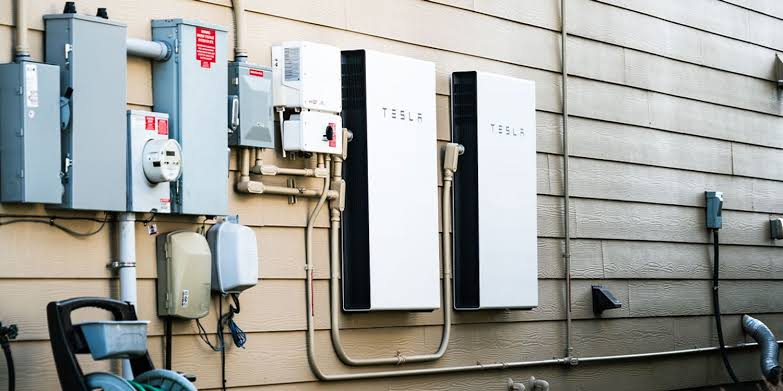
Dispatch controls need clean signals from solar generation, the site meter and any backup power equipment. Failures usually develop at the interface between otherwise competent teams. Reviewing the actual service environment is often more revealing than collecting another impressive efficiency figure.
Separate Power From Duration
A system rated for high output is not necessarily able to sustain that output for several hours. Engineers should state the required kilowatts, usable kilowatt-hours and reserve margin separately. Round-trip losses and auxiliary consumption also belong in the energy balance. Where critical loads are involved, reserve energy cannot simply be counted as available for daily price arbitrage.
Check the Point of Connection
The electrical connection determines how much value the battery can deliver. Import and export restrictions, transformer capacity, protective relays and meter placement can constrain otherwise capable equipment. Some projects require updated grid studies when storage is added to an existing solar plant. Engineers should trace where energy is measured and where a fault must be isolated.
For a broader technical starting point, compare a solar battery energy storage solution with the conditions actually documented in the proposed project. Dispatch controls need clean signals from solar generation, the site meter and any backup power equipment.
Commission More Than the Cabinet
Acceptance tests should include realistic power steps, protective trips, communications loss and recovery after shutdown. A successful first charge is only a basic function check. Site teams also need evidence that alarms reach the responsible operator and that isolation can be performed safely. Test records should connect each observed result to the agreed operating requirement.
Treat islanding or grid support as specified functions requiring protection studies, not automatic properties of every battery.
Protect the Energy Reserve
Fast support actions draw upon real available power and energy. State-of-charge management therefore affects the ability to meet performance obligations across the day. An operating strategy that maximizes trading revenue may leave insufficient headroom during a network event. Test schedules should include partially charged conditions, not just a fully available battery.
Price the Operating Obligation
The business case should distinguish contracted network services from hypothetical future revenue. Availability guarantees, response tests and permitted state-of-charge windows may limit commercial dispatch. A low purchase price offers little protection against penalties for unmet service commitments. Evaluators should compare offers against the same duty cycle and connection conditions.
The design review for a solar battery energy storage solution should be supported by evidence tied to the delivered configuration. Ask bidders to show the operating sequence during a grid outage and during restoration.
Document Control Interfaces
Inverters, batteries, meters and generator controllers may come from different suppliers. Each interface requires agreed data points, timing and fallback behavior. Test communication loss as carefully as normal dispatch. Without clear ownership, operators can struggle to diagnose a problem that crosses two otherwise functioning devices.
Readers comparing specifications can review information about solar battery energy storage solution as context, then verify site-specific claims with drawings, tests and commercial terms.