
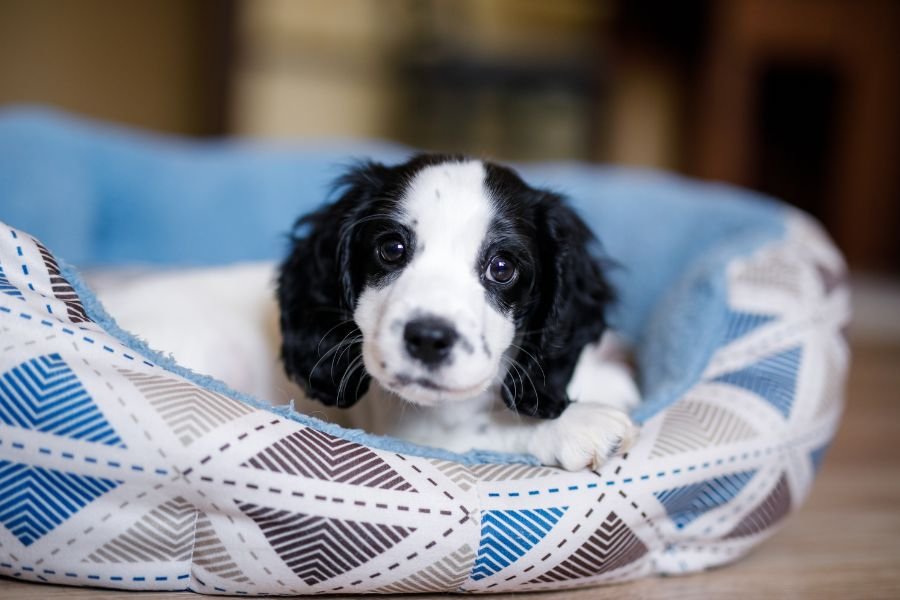
Bringing a new puppy home is an exciting experience, but toilet training can be one of the biggest challenges for new dog owners. Puppies need time to understand where they should go to the toilet, and accidents are a normal part of the learning process. Having a consistent dog toilet training schedule can make the process easier for both you and your puppy. A predictable routine helps your puppy understand when and where they are expected to relieve themselves while allowing you to recognise their toilet habits and respond before accidents happen.
Why a Toilet Training Schedule Matters
Puppies learn through repetition and consistency. If toilet breaks happen at random times, it can be harder for a puppy to understand what is expected of them. A regular schedule creates predictable opportunities for your puppy to go outside or use their designated toilet area. Over time, your puppy can begin to associate certain times and routines with going to the toilet.
A schedule also makes it easier for owners to monitor progress. You can keep track of when your puppy eats, drinks, sleeps, plays, and goes to the toilet. This information can help you identify patterns and adjust the routine as your puppy develops better bladder and bowel control.
Start the Day with a Toilet Break
One of the most important toilet breaks is the first one in the morning. Puppies often need to relieve themselves shortly after waking because they have been holding their bladder overnight. Take your puppy directly to the designated toilet area as soon as they wake up rather than allowing them to wander around the house first.
Once your puppy finishes, reward them immediately with praise and positive attention. This helps them understand that going to the correct place is a behaviour you want them to repeat. Keeping the morning routine consistent can make the beginning of each day easier and more predictable.
Follow a Schedule After Meals
Puppies commonly need to go to the toilet after eating. Instead of waiting for an accident to happen, take your puppy to their toilet area after each meal. The exact timing can vary between individual puppies, so observe your dog’s behaviour and adjust the schedule accordingly.
Try to maintain regular feeding times as well. Feeding your puppy at consistent times makes their digestive routine more predictable, which can make toilet training easier. Avoid making major changes to feeding times without a reason, especially while your puppy is still learning.
Take Your Puppy Out After Naps
Sleeping is another important trigger for toilet breaks. Puppies often need to relieve themselves shortly after waking from a nap, even if they went to the toilet before sleeping. Make it a habit to take your puppy directly to their designated toilet area after every nap.
This is particularly important for young puppies because their bladder control is still developing. By taking them out proactively, you can reduce the chances of accidents and reinforce the connection between waking up and going to the toilet.
Schedule Breaks During Playtime
Playtime can make puppies excited and distracted, which means they may not always recognise that they need to go to the toilet. Take your puppy for a toilet break before and after energetic play sessions. If your puppy has been running around for an extended period, offering another toilet opportunity can also be helpful.
Watch for signs such as sniffing the floor, walking in circles, suddenly stopping play, or moving toward a particular area. These behaviours may indicate that your puppy needs to relieve themselves. Responding quickly can prevent many indoor accidents.
Create a Bedtime Routine
A final toilet break before bedtime should become part of your puppy’s daily routine. Take your puppy to the designated toilet area shortly before you go to sleep. Give them enough time to finish rather than immediately returning indoors after a few seconds.
Young puppies may still need toilet breaks during the night because they have limited bladder control. As they grow older and become more comfortable with the routine, they will generally become better at holding their bladder for longer periods.
Reward Good Behaviour Immediately
Positive reinforcement is an important part of successful toilet training. Whenever your puppy goes to the correct place, reward them promptly with praise, affection, or a suitable treat. The reward should come immediately after the desired behaviour so that your puppy can make the connection.
Avoid punishing your puppy for accidents. Puppies do not always understand why they are being punished, and negative reactions can make them nervous or afraid. Instead, focus on preventing accidents, maintaining consistency, and rewarding successful toilet trips.
Adjust the Schedule as Your Puppy Grows
A toilet training schedule should not remain exactly the same throughout your puppy’s development. Young puppies generally need more frequent toilet opportunities because they have less bladder control. As they mature, you can gradually increase the time between breaks.
However, avoid expecting your puppy to hold their bladder for long periods simply because they have successfully managed a few longer intervals. Gradual progress is more effective than rushing the process. Continue monitoring your puppy’s behaviour and make adjustments based on their individual needs.
Be Patient with Accidents
Accidents are a normal part of puppy toilet training. Even if your puppy has been successful for several days, occasional accidents can still happen. Changes in routine, excitement, stress, illness, or simply not getting outside quickly enough can contribute to accidents.
Clean accidents thoroughly using an appropriate pet-safe cleaning product to remove lingering odours. If the smell remains, your puppy may be encouraged to return to the same location. Most importantly, stay patient and return to the established routine rather than becoming frustrated.
Final Thoughts
A consistent dog toilet training schedule can provide your puppy with the structure they need to develop good habits. Taking your puppy out after waking, eating, sleeping, and playing, along with providing regular breaks throughout the day, can significantly reduce accidents and reinforce appropriate behaviour. Every puppy develops at a different pace, so patience and consistency are essential. By following a predictable routine, watching for toilet signals, and rewarding good behaviour, puppy owners can create a positive toilet training experience and help their dogs become confident with their daily habits.