
Not every founder starts a company with an exit in mind. Some are building for independence: a business that generates cash and gives them freedom to operate on their own terms. Some are building for impact: changing something in the world that they believe needs changing. Some are building to see whether they can. All of these motivations produce real companies, and the exit is not necessarily the right measure of success for any of them.
But for founders who are building toward a liquidity event, whether that is an acquisition, a merger, or eventually a public offering, the decisions made in the early stages have disproportionate influence on the eventual outcome. And the encouraging news is that most of those decisions look identical to the decisions that make a good company regardless of what the founder ultimately plans to do with it.
What Acquirers Actually Pay For
The first thing worth understanding about building with an exit in mind is what sophisticated acquirers actually value. The answer varies by acquirer type, but a few themes are consistent across most acquisition conversations.
Recurring revenue with low churn. Acquirers value predictable revenue that does not require constant re-selling. A customer base that can be cross-sold into additional products. Technology that would be expensive or time-consuming to build internally. And a team capable of continuing to execute after the acquisition closes.
Notice what is not on that list: large user bases without revenue, impressive growth metrics built on unsustainable acquisition spend, or technology that is sophisticated but not deployed against a real commercial opportunity. Acquirers who have paid primarily for these things have generally not been happy with the outcomes.
Building Defensibility From Early On
The companies that attract the most interest and the best terms at exit tend to be the ones that have built genuine defensibility into their core. Proprietary data accumulated from customer behavior. Network effects that make the product more valuable as the customer base grows. Deep workflow integrations that make switching costly. A brand reputation in a specific professional community that took years to build.
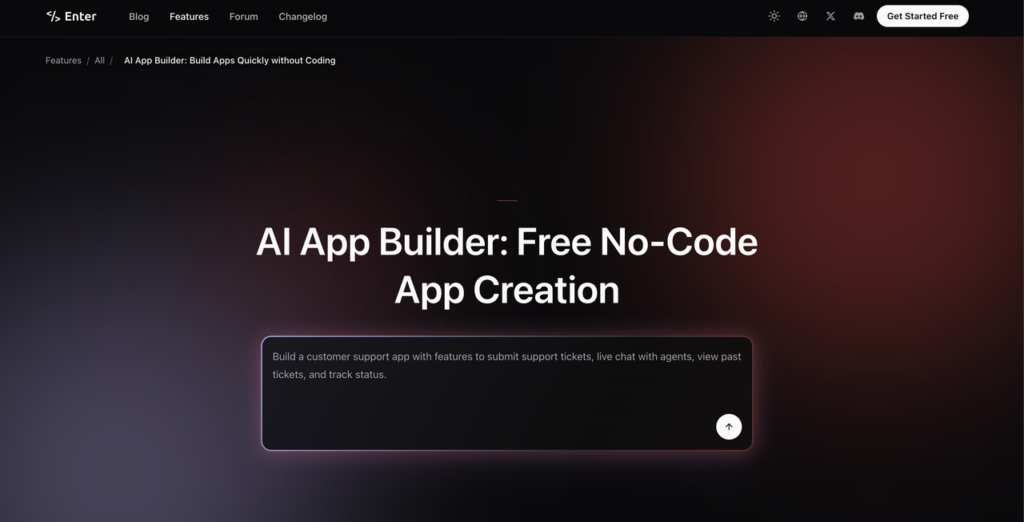
When you are building the early product with tools like Enter Pro, the question of defensibility is worth asking at every significant product decision. Not just whether a feature solves the immediate problem, but whether it creates data, habit formation, or integration depth that makes the overall product harder to replace over time. These are the qualities that distinguish a valuable acquisition from a convenient one.

The Clean Records Principle
One of the most consistent sources of friction in acquisition processes, and one that has derailed deals that should have closed, is the state of a company’s records. Contracts that were never properly signed. Equity arrangements that were handled informally. Intellectual property that was created by contractors without proper assignment agreements. Compliance documentation that was deferred indefinitely.
None of these are expensive to address in the early stages. All of them become expensive, time-consuming, and sometimes deal-breaking to address under the pressure of a transaction timeline. The founder who is rigorous about documentation and legal hygiene from the beginning is not just being careful. They are building the administrative foundation that allows an exit process to go smoothly when the time comes.
Metrics That Matter in Due Diligence
The metrics that matter most in an acquisition due diligence process are not always the ones that founders track most closely. Net revenue retention, the percentage of revenue from existing customers that grows rather than churns, is one of the most important indicators of business health to a sophisticated buyer. Customer acquisition cost relative to lifetime value tells the story of whether the growth model is economically sound. Gross margin indicates whether the business has the fundamental economics to support a healthy long-term operation.
Using an AI app builder that helps you think through the product flows affecting these metrics, which features drive retention, which create expansion opportunities, which reduce the cost of serving customers over time, is part of building a business that performs well in due diligence rather than one that has impressive top-line metrics sitting on problematic unit economics.
The Team Is Part of the Asset
In a significant number of acquisitions, especially in technology, the team is as important as the product. The acquirer needs confidence that the people who built the product can continue to develop it, that institutional knowledge is not concentrated in one person who might leave immediately after the deal closes, and that the culture of the team will integrate reasonably well with the acquiring organization.
Investing in the team, in clear roles, strong management practices, and a culture that does not depend entirely on the founding team’s presence, is not just good for the current operation. It directly affects the perceived value and the risk profile of the company in an acquisition scenario.
The Simple Truth
The most honest thing to say about building with an exit in mind is that it is almost entirely the same as building a genuinely excellent company. A business that serves its customers well, grows efficiently, retains its people, and operates with integrity is both a great company to run and a great company to acquire or invest in.
The exit takes care of itself when the fundamentals are right. Build the best company you can. The rest follows.
The practical advice that experienced founders give consistently about building toward an exit is to focus so completely on building a genuinely excellent business that the exit options take care of themselves. Companies that are growing efficiently, retaining customers, and building genuine competitive advantages attract interest from acquirers, investors, and partners without needing to be positioned or marketed as acquisition targets. The best preparation for a successful exit is the same as the best preparation for a successful company: do the real work, serve the customers well, and let the results speak.
The founders who are most genuinely prepared for a successful exit are also, not coincidentally, the ones who have most clearly answered the question of what a good exit would actually mean for them personally. Not in abstract terms, but concretely: what would they do next, what constraints on their involvement post-acquisition would they accept, what would constitute a deal that was genuinely better than the alternative of continuing to build independently. Having clear answers to these questions before the first serious conversation means the decision gets made with full information rather than under the pressure and flattery of an active process.