Advanced polygraph training is a specialized professional pathway designed for individuals who want to master the science of psychophysiological detection of deception. In today’s investigative and security-driven world, the demand for trained polygraph examiners continues to grow in law enforcement, intelligence agencies, and private sector investigations. Unlike basic courses, advanced programs focus on deeper analytical skills, real-case scenarios, and complex questioning techniques. These programs are essential for individuals aiming to become highly competent professionals capable of handling sensitive and high-stakes examinations with accuracy and ethical responsibility.
Understanding Polygraph Schools and Their Purpose
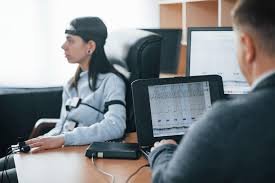
Polygraph schools are institutions that provide structured education in lie detection science, including both theoretical knowledge and practical application. These schools teach how physiological responses—such as breathing patterns, blood pressure, and skin conductivity—are measured during questioning. According to training curricula, students are introduced to instrument operation, questioning techniques, and data interpretation methods essential for professional examinations. Many institutions also ensure that students gain hands-on experience through mock tests and supervised practice sessions, helping them develop real-world confidence and accuracy.
What Makes Polygraph Training Advanced
Advanced polygraph training goes beyond basic certification by focusing on complex investigative scenarios and refined analytical methods. While basic courses teach foundational techniques, advanced programs emphasize countermeasure detection, psychological profiling, and behavioral analysis of examinees. Some institutions design courses specifically for experienced examiners, where topics include interrogation strategies, test data analysis, and advanced question formulation techniques. Training also includes modern technological systems used in digital polygraph instruments, enabling examiners to work with highly accurate and updated equipment in real investigations.
Top Qualities of Reputable Polygraph Schools
Choosing the right polygraph school is a crucial step in building a successful career. Reputable institutions typically offer accredited programs recognized by professional polygraph associations and law enforcement bodies. Experienced instructors play a vital role, often bringing decades of field experience into the classroom. Quality schools also focus on hands-on training, ensuring students conduct multiple supervised examinations before certification. A strong curriculum, ethical training standards, and post-graduation support are key indicators of a reliable institution. Additionally, many advanced schools require strict admission criteria to ensure only serious candidates enter the profession.
Core Subjects Covered in Advanced Polygraph Training
Advanced training programs include a wide range of subjects designed to build technical and psychological expertise. Students study physiology to understand how the human body reacts under stress and deception. They also learn test question construction, which is critical for obtaining accurate results during examinations. Data analysis and chart interpretation are major components, helping examiners identify truthful or deceptive responses. Many programs include modules on countermeasures, where students are trained to detect attempts by subjects to manipulate test outcomes. Ethics, law, and professional standards are also covered to ensure responsible practice in real-world situations.
Essential Skills Required for Success
To succeed in polygraph examination, technical knowledge alone is not enough. Strong observational skills are essential to detect subtle behavioral changes in examinees. Analytical thinking helps examiners interpret complex physiological data accurately. Communication and interviewing skills are equally important, as examiners must build rapport while maintaining professional control during questioning. Emotional stability is another key skill, as examiners often deal with high-pressure or sensitive cases. Attention to detail, patience, and ethical judgment are critical traits that separate skilled professionals from average practitioners in this field.
Types of Polygraph Training Programs Available
Polygraph training is offered in several formats depending on experience level and career goals. Basic examiner courses are designed for beginners entering the field and usually include foundational theory and practical training. Advanced training programs focus on experienced professionals who want to refine their skills or specialize in areas such as post-conviction testing or forensic analysis. Some institutions also offer instructor-level training for those who wish to teach future examiners. In addition, continuing education courses help professionals stay updated with evolving techniques, technology, and legal standards.
Career Opportunities After Advanced Training
Completing advanced polygraph training opens the door to multiple career paths. Many professionals work in law enforcement agencies where they assist in criminal investigations and suspect interviews. Intelligence and security organizations also employ polygraph examiners to assess personnel reliability and conduct background evaluations. In the private sector, examiners may work with corporate security teams or investigative firms handling fraud and misconduct cases. Some experienced professionals even serve as expert witnesses in legal proceedings, providing analysis and testimony based on polygraph results.
Challenges in the Profession
Despite its rewarding career potential, polygraph examination comes with significant challenges. The profession requires high levels of responsibility, as test results can influence legal and investigative decisions. Examiners must continuously update their skills to keep up with advancements in technology and interrogation techniques. Handling deceptive or highly trained subjects can be difficult, especially when individuals attempt countermeasures to manipulate results. Maintaining objectivity, professionalism, and ethical standards in every case is essential but often demanding in real-world situations.
Future of Polygraph Training and Technology
The future of polygraph training is closely linked to technological advancements and behavioral science research. Modern digital polygraph systems are becoming more accurate, integrating multiple physiological sensors for better data analysis. Some training programs are beginning to include artificial intelligence tools that assist in pattern recognition and behavioral assessment. As security needs grow globally, the demand for highly skilled examiners is expected to increase. Training institutions are also evolving by offering online and hybrid learning formats, making education more accessible to international students.
Conclusion
Advanced polygraph training is a highly specialized and intellectually demanding field that requires dedication, discipline, and continuous learning. Choosing the right polygraph school is the foundation of a successful career, as it shapes both technical skills and professional ethics. With the right training, individuals can develop into skilled examiners capable of handling complex investigations across multiple sectors. As technology continues to evolve, professionals who invest in advanced training will remain highly valuable in the fields of security, law enforcement, and forensic investigation.