
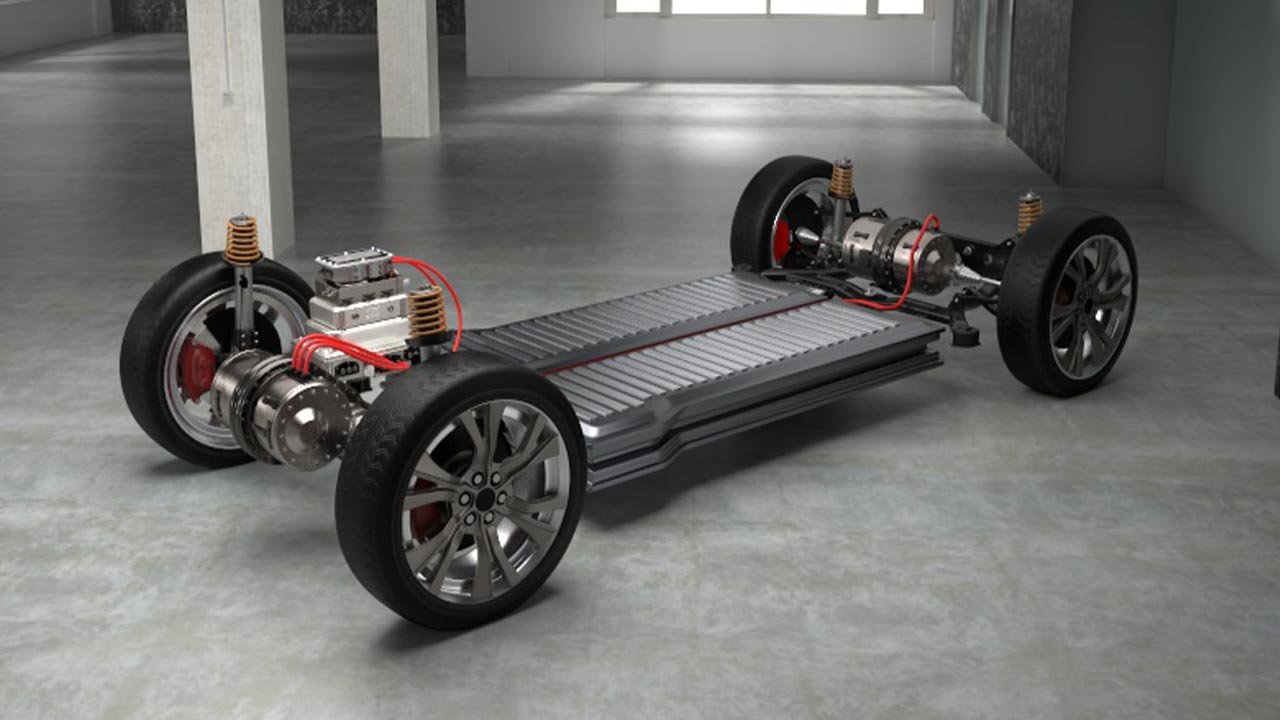
An electric vehicle’s driving characteristics depend on how energy is converted into motion and managed across the vehicle. An electric vehicle powertrain brings together motors, inverters, reduction gears, control software, and thermal systems, making integration central to vehicle design. The most useful design discussions begin with the conditions the system will face in daily operation. Design teams should distinguish what the equipment can do in principle from what the complete site is configured and approved to do. The central design task is to connect the selected equipment with a clear site requirement.

Equipment and site considerations for 华为智擎 applications.
Integrate generation with the electric drive
The generator, power electronics, battery, and traction motors must operate as a coordinated system. Control logic determines when the range extender starts, how much power it supplies, and how energy is allocated between propulsion and battery charging. A well-integrated architecture avoids treating the generator as an isolated engine package and considers the vehicle’s full operating cycle.
Evaluate efficiency over the full vehicle cycle
Powertrain efficiency is affected by speed, torque, temperature, auxiliary loads, and energy conversion between the generator, battery, and motor. A single peak figure cannot describe every journey. Engineers should review standardized test cycles alongside representative real-world conditions and make clear which operating boundary each published figure describes. For a closer look at the solution scope, review electric vehicle powertrain and consider how its documented functions fit the site layout, electrical interfaces, and operating plan.
Understand the role of the range extender
An extended-range electric vehicle is driven by electric motors, while an onboard generator can supply electrical energy when the battery’s available charge needs support. The range extender is therefore part of an electric power system rather than a conventional mechanical drivetrain. Its value depends on how smoothly generation, battery management, and traction demand are coordinated.
Document interfaces between equipment
Many operational problems occur where two systems meet: electrical connections, communication protocols, control signals, cooling circuits, or service responsibilities. An interface register should identify the owner of each connection and the test that proves it works. Clear documentation reduces uncertainty during installation and future upgrades. Performance should always be assessed against the actual installation conditions and the complete system boundary.
Match the architecture to the vehicle segment
Passenger cars, SUVs, and commercial vehicles have different space, power, range, and cost requirements. The powertrain architecture should be selected against the vehicle’s target duty cycle and customer expectations. A solution designed for one segment may not transfer directly to another without changes to motor sizing, cooling, mounting, or control calibration. A project specification for electric vehicle powertrain should identify the applicable configuration, installation limits, commissioning checks, and service responsibilities.
Keep software and hardware changes aligned
Updates to motor control, energy management, battery software, or generator calibration can affect the behavior of the complete system. Change control should include regression testing and traceability to the vehicle configuration. This is especially important when a platform supports several models or regional variants.