
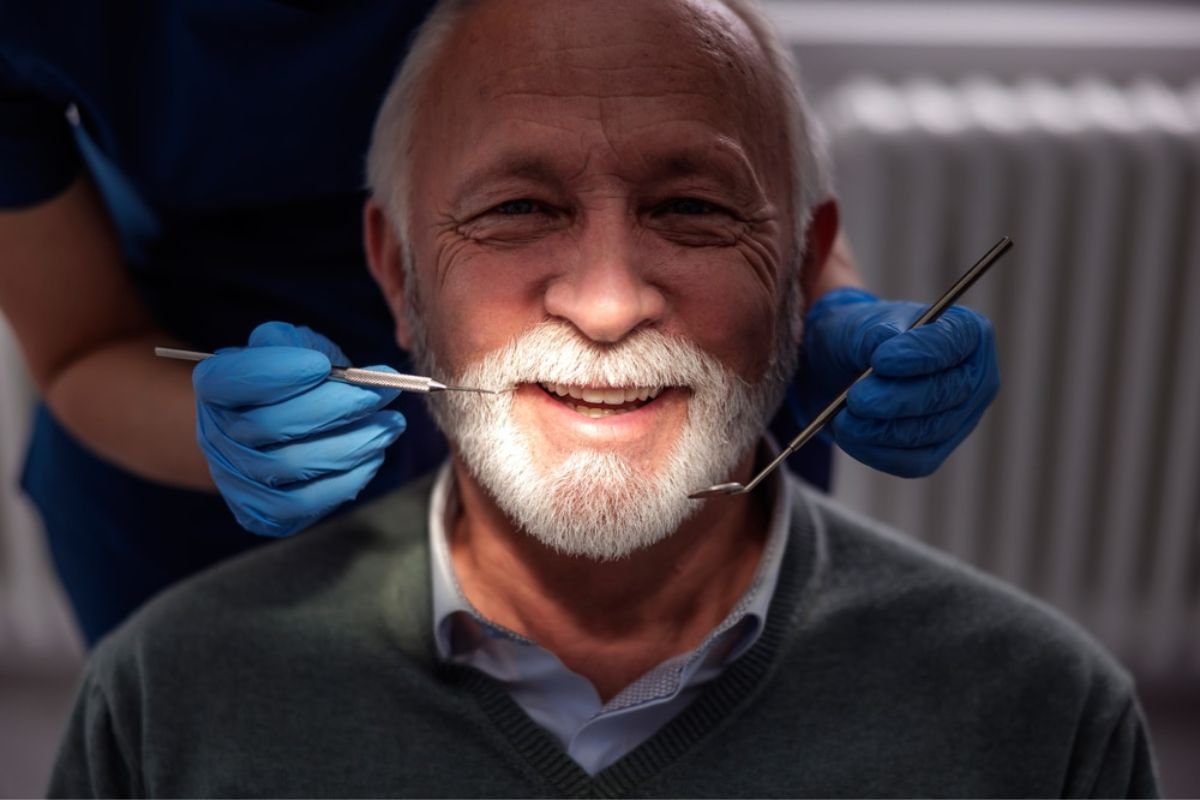
A bright, confident smile isn’t just a cosmetic asset—it’s an essential part of your overall health, especially as you age. While oral care is important at every stage of life, seniors face unique dental challenges that can make maintaining a healthy mouth more difficult. Dry mouth, gum disease, tooth decay, and tooth loss become more common with age, but the good news is that most of these issues can be prevented or managed with proper care. Whether you’re entering your golden years or caring for an older loved one, understanding the essentials of senior oral health can help you keep every smile strong and beautiful.
Why Oral Health Matters More Than Ever
As we age, our bodies naturally change, and our mouths are no exception. Enamel can wear down over time, and gums may recede, making teeth more vulnerable to decay. Saliva production often decreases due to medications or medical conditions, increasing the risk of dry mouth—a major contributor to cavities. Beyond the mouth itself, poor oral hygiene has been linked to serious health issues, including heart disease, diabetes complications, and respiratory infections. Taking care of your smile isn’t just about your teeth—it’s about your whole-body well-being.
Prioritize Regular Dental Visits
Many seniors skip dental visits due to cost, mobility issues, or the belief that care isn’t needed if they no longer have natural teeth. However, routine check-ups are essential. Dentists can identify early signs of gum disease, screen for oral cancer, and ensure dentures or other dental appliances fit properly. For those with chronic conditions, such as diabetes or heart disease, dental care plays an even greater role in maintaining overall health stability.
Aim for dental checkups every six months unless your dentist recommends otherwise. If you wear dentures, regular visits help ensure comfort and prevent sores or infections.
Maintain a Simple but Effective Daily Routine
Your daily oral care routine doesn’t need to be complicated, but consistency is key. A few simple habits can go a long way:
- Brush twice a day using a soft-bristled toothbrush and fluoride toothpaste. If hand mobility is a challenge, electric toothbrushes can make brushing easier and more effective.
- Floss once a day to remove plaque and food particles between teeth. For those who find traditional floss difficult, water flossers or interdental brushes are great alternatives.
- Clean dentures daily using products designed specifically for them. Never sleep with dentures in—they increase the risk of infections if worn overnight.
- Use mouthwash, preferably alcohol-free, to reduce bacteria without drying out the mouth.
Combat Dry Mouth
Dry mouth is one of the most common oral health issues among seniors. It may seem like a minor inconvenience, but lack of saliva can significantly increase the risk of cavities and gum disease. To keep your mouth adequately moisturized:
- Stay hydrated throughout the day
- Chew sugar-free gum to stimulate saliva
- Avoid alcohol and caffeine, which can worsen dryness
- Use over-the-counter saliva substitutes if needed
If you suspect your medications are causing dry mouth, speak to your doctor or dentist—they may be able to suggest alternatives or additional solutions.
Eat for a Healthier Smile
Nutrition plays a major role in oral health. Seniors should focus on a balanced diet rich in vitamins and minerals that support teeth and gums. Consider:
- Calcium and vitamin D for strong teeth and bones
- Vitamin C to maintain gum health
- Fiber-rich fruits and vegetables to naturally clean teeth
- Lean proteins, which help repair tissues
Try to limit sugary snacks, sticky foods, and acidic beverages, which can wear down enamel and feed harmful bacteria.
Address Tooth Loss Promptly
Tooth loss doesn’t have to be a normal part of aging. Whether you’re missing one tooth or several, replacing them can dramatically improve your quality of life. Options like bridges, dentures, and implants can restore both function and confidence. For those considering modern solutions, dental implants in Harrisonburg VA can offer a long-lasting, natural-looking option that supports jaw health and stability.
Be Aware of Medication Effects
Many common medications—such as those for blood pressure, allergies, or depression—can impact oral health. Side effects like dry mouth, gum swelling, or taste changes are common. Always let your dentist know about the medications you take so they can tailor your care accordingly.
Final Thoughts
Your golden years should be full of confidence and comfort, and a healthy smile plays a big part in both. By maintaining a consistent oral care routine, eating well, staying hydrated, and visiting your dentist regularly, you can protect your teeth and gums for years to come. Oral health isn’t just a part of aging—it’s a vital part of living well. If you take care of your smile, it will continue to take care of you.