
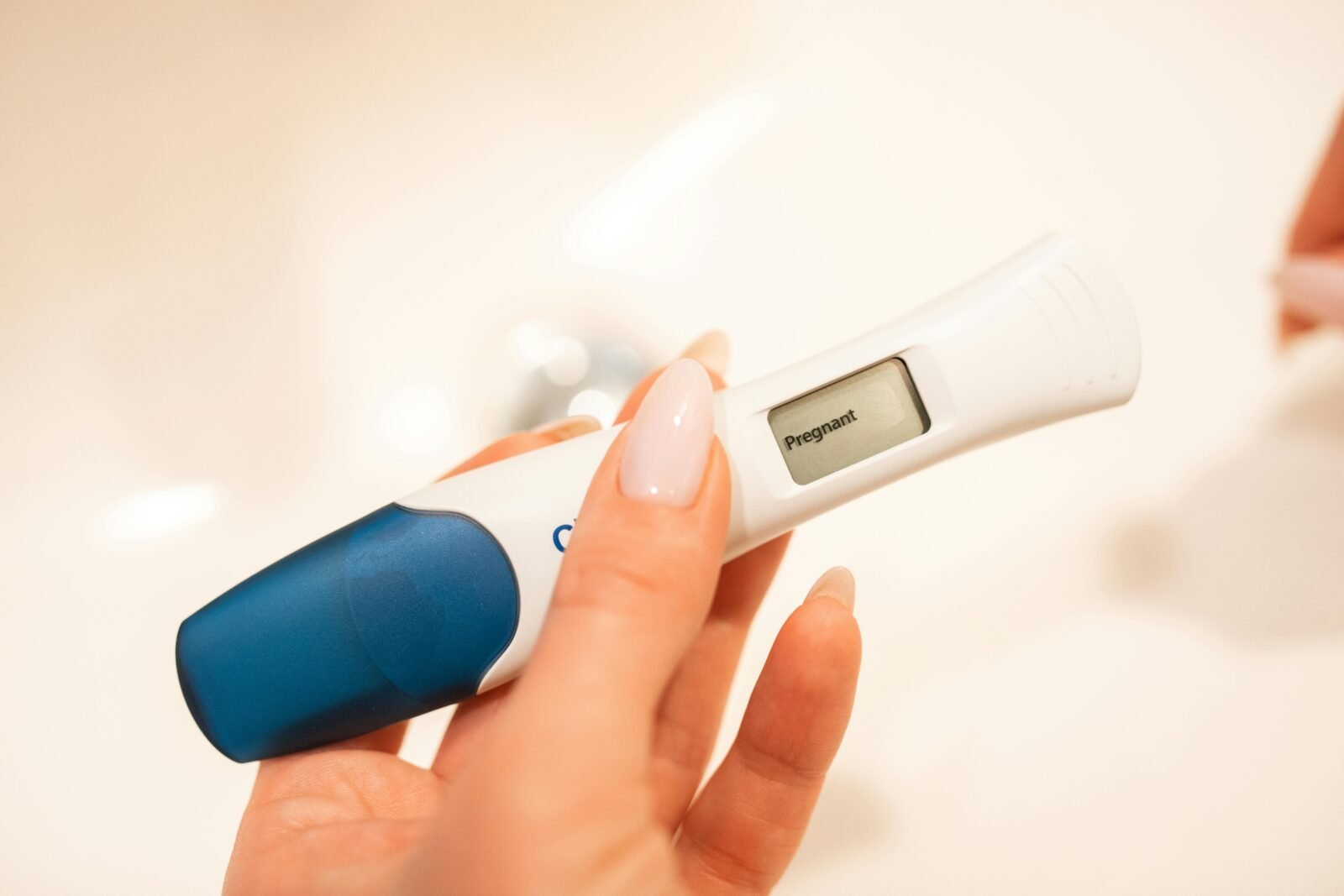
Detecting the early signs of pregnancy is essential for many women who are trying to conceive or suspect they may be pregnant. Understanding these indicators can provide crucial insights into changes happening within the body.
From morning sickness to mood swings, recognizing these early signals can help individuals become more attuned to subtle variations in their health. Explore some common indicators that might suggest you’re on the path to expecting a baby, so you can add necessary women’s vitamins to your routine.
1. Morning Sickness
One of the hallmark signs of early pregnancy is morning sickness, typically experienced as nausea and vomiting. Contrary to its name, morning sickness can strike at any time of the day or night. This nausea often occurs due to hormonal changes, particularly elevated levels of human chorionic gonadotropin (hCG).
While the exact cause of morning sickness remains unclear, it’s considered a positive sign by many, as it signifies healthy hormone levels that support pregnancy. Managing morning sickness can involve eating small, frequent meals, staying hydrated, and consuming ginger or peppermint to soothe symptoms.
2. Fatigue
Feeling unusually tired without a clear explanation, such as lack of sleep or excessive exertion, is a common early sign of pregnancy. Fatigue often sets in during the first trimester due to increased progesterone levels. This hormone supports pregnancy by relaxing smooth muscles and prompting drowsiness.
While fatigue can be challenging, it is a natural response to the physiological changes the body undergoes as it accommodates the growing baby. Rest, maintaining a healthy diet, and moderate exercise can help manage pregnancy-related fatigue.
3. Changes in Appetite
Another telltale sign of pregnancy is changes in appetite, which can present as sudden food cravings or aversions. While cravings for pickles and ice cream are often portrayed in the media, real-life cravings might include a desire for spicy foods, fruits, or even non-nutritive substances (known as pica).
On the flip side, some pregnant individuals develop strong aversions to foods they once enjoyed due to heightened sensitivity to tastes and smells. These changes in appetite are influenced by fluctuating hormone levels and nutritional requirements of the growing fetus. Maintaining a balanced diet is essential to support both maternal and fetal health.
4. Mood Swings
Pregnancy hormones can lead to emotional ups and downs. These abrupt mood swings can range from elation one moment to tears or irritability the next. Hormonal fluctuations, combined with physical discomforts and the anticipation of impending changes, can contribute to mood instability during early pregnancy.
Coping strategies, such as practicing mindfulness, engaging in relaxation techniques, and seeking emotional support from loved ones, can help pregnant women navigate these mood swings. Understanding that mood swings are a normal part of pregnancy can also soothe stress and provide reassurance during this phase of emotional turbulence.
5. Heightened Sense of Smell
A heightened sense of smell is a common early pregnancy symptom that can catch individuals off guard. Pregnancy hormones, particularly estrogen, can enhance olfactory sensitivity, making previously unnoticed scents suddenly overwhelming. This hypersensitivity to odors can prompt aversions to certain smells, triggering nausea or discomfort.
On the other hand, pregnant individuals may develop strong cravings for specific scents or foods due to this heightened sense of smell. Coping mechanisms, such as avoiding strong odors, using scented oils or lotions that are well-tolerated, and ensuring proper ventilation in living spaces, can help manage this heightened olfactory response.
6. Frequent Urination
Frequent urination is a prevalent early sign of pregnancy attributed to increased blood flow to the pelvic region and the expanding uterus exerting pressure on the bladder. Pregnant individuals may find themselves making trips to the bathroom more frequently, especially during the first and third trimesters.
This symptom can also be caused by hormonal changes that stimulate the kidneys to filter more blood, leading to increased urine production. While frequent urination is a normal part of pregnancy, staying hydrated, avoiding caffeine, and emptying the bladder completely during restroom visits can alleviate discomfort associated with this symptom.
7. Breast Changes
During early pregnancy, changes in breast tissue are commonly observed as the body prepares for lactation and breastfeeding. Breasts may feel tender, swollen, or exceptionally sensitive due to hormonal fluctuations, primarily increases in estrogen and progesterone. Additionally, the areolas may darken in color and become more prominent.
Navigating the Early Signs of Pregnancy With Confidence
Recognizing the early signs of pregnancy is crucial for those planning to expand their families or experiencing unexpected symptoms. Being aware of indicators such as morning sickness, fatigue, and breast changes can help individuals identify a potential pregnancy early on.
While these symptoms vary in intensity and onset among individuals, understanding the physiological changes associated with pregnancy aids in making informed decisions about healthcare and lifestyle adjustments. Remember, each pregnancy experience is unique, and listening to your body is key to navigating this transformative time with confidence and care.