
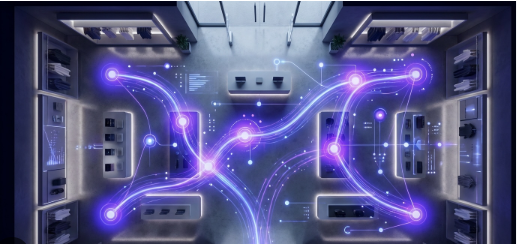
Data has become the driving factor for retail in 2026, rather than guesswork. As competition intensifies, customer expectations rise, and omnichannel shopping evolves at lightning speed, retailers must continue to invest in actionable insights. Footfall counter technology and retail analytics software are where it all comes into effect.
These tools have been useful for optimizing store performance and understanding customer behavior. So, we should know what is making smart retailers pour their money into these technologies and transforming the retail landscape.
The Shift Toward Data-Driven Retail
Retailers have turned away from a system that focused on sales numbers to measure success. In recent years, learning about how consumers engage within your store is equally as critical as what they purchase.
Footfall counter counts how many people walk into a store, retail analytics software parses through that raw data to provide insight like:
- Peak shopping hours
- Customer dwell time
- Conversion rates
- Staff performance metrics
Such a transition facilitates the ability for retailers to make better and quicker decisions in a far more profitable way.
What is a Footfall Counter?
A footfall counter is a device or system that counts the number of people entering or exiting the Retail Store. Such tools use infrared sensors, AI-powered cameras, and WiFi tracking for accurate real-time visitor data.
By 2026, sophisticated footfall counter systems will be capturing and responding to much more than pedestrian movements. They can:
- Differentiate between staff and customers
- Track repeat visitors
- Measure queue lengths
- Integrate with POS systems
Retailers are now able to interpret store traffic in ways never before possible at this level of intelligence.
Role of Retail Analytics Software
A footfall counter helps in gathering data, whereas retail analytics software is like the brain working behind it. It analyses and displays data to give actionable insights.
Key capabilities include:
- Heatmaps to analyze in-store movement
- Tracking Conversion Rates (visitors to buyers)
- Campaign performance measurement
- Inventory and demand forecasting
- Customer segmentation
Footfall counter data combined with retail analytics software can help reveal previously obfuscated opportunities to increase sales and efficiency.
Top 7 Best Tools That Retailers Swear by in 2026
- Accurate Conversion Tracking
Computing conversion rates is one of the greatest features of a footfall counter. Fused data allows retailers to make a comparison between footfalls and actual purchases that offers an uncluttered view of store performance.
This data, combined with retail analytics software, is what makes it so powerful, as it can help you figure out why a conversion may be low – and work on which areas need improvement.
- Smarter Staffing Decisions
Doing so translates into wasting money when overstaffed and ruining the customer experience when understaffed. Such a footfall counter enables you to know peak hours and so manage staff accordingly.
Retailers can pair it with retail analytics software, allowing them to match staffing to ongoing demand now and by data up until October 2023.
- Better Store Layout & Visual Merchandising
You need to understand how customers flow through a store. Retail analytics software processes the data input by footfall counter systems to create heatmaps & Flow of traffic in a store.
This helps retailers:
- Optimize product placement
- Improve store navigation
- Increase engagement in high-margin areas
- Enhanced Marketing ROI
Retailers spend a lot of money on promotion, but tracking it correctly is hard without measurement.
Store visits during campaigns can be recorded with a footfall counter, but only retail analytics software will determine if those result in sales.
This means that no marketing budget goes to waste.
- Real-Time Decision Making
In 2026, speed is everything. Retailers need insights instantly. Modern-day retail analytics software offers dashboards in real-time with data from footfall counters.
This allows store managers to:
- React to sudden traffic spikes
- Adjust staffing instantly
- Launch flash promotions
- Omnichannel Integration
The retail environment today is a hybrid of online and offline. Retail analytics software combines footfall counter information along with eCommerce and CRM platforms.
This helps retailers:
- Understand cross-channel behavior
- Personalize customer experiences
- Improve the overall customer journey
- Better Business Forecasting
Correctly predicting demand is extremely challenging. Retail analytics software can predict using historical data from footfall counter systems as follows:
- Future store traffic
- Seasonal trends
- Inventory requirements
This minimizes stockouts and overstock scenarios.
What key features to look for when buying in 2026
If you are considering adopting these tools, here are some must-have features:
- AI-powered insights
- Cloud-based dashboards
- Multi-store comparison
- Real-time alerts
- GDPR-compliant data tracking
- Integration with POS and CRM
Using a footfall counter together with retail analytics software is the best combination to help you optimize your retail operations.
Challenges Retailers Should Consider
The potential advantages are substantial, but as with all technologies, they come with certain challenges that retailers should be aware of:
- Initial setup costs
- Data privacy compliance
- Integration complexities
- Staff training requirements
That said, the long-term return on investment (ROI) is much greater than these initial challenges.
The Future of Retail Analytics
In the future, with the advancement of AI and machine learning, footfall counter technology and retail analytics software will take a new direction.
Future trends include:
- Predictive customer behavior analysis
- Emotion detection through video analytics
- Hyper-personalized in-store experiences
- Autonomous store optimization
Those retailers who capitalize on these innovations will be light-years ahead of the others.
Conclusion
By 2026, intuition alone will prove insufficient. And how about human elements in the operating environment, like footfall that gives Smart retailers a competitive edge with the Footfall Counter system and Retail Analytics Software?
Such tools provide rich customer behavioral insights, enhance operational efficiencies, and provide enhanced profitability. Be it re-staffing, improving layout, or quantifying marketing performance, we just cannot escape the repercussions.
To future-proof your retail business, investing in a footfall counter as well as powerful retail analytics software is no longer optional – it is mandatory.
FAQs
- What is a Footfall Counter, and Why Do Retailers Need It?
Footfall counter tracks store footfall so that retailers can calculate conversion rates and optimize staffing and marketing strategies.
- Can retail analytics software increase your sales?
Retail analytics software can divide case trends, improve store layouts, and the more help drive panel cupboard sales, all of which lead up raise increases.
- Is footfall counter data accurate?
With the implementation of advanced technologies like AI and sensors, modern footfall counter systems provide accurate data that yields reliable decision-making.
- Are these tools appropriate for small retailers?
Absolutely. Scalable Solutions: Footfall counter, as well as retail analytics software, are scalable solutions that can leverage businesses of any size
- What is the ROI of retail analytics software?
That ROI mainly comes from increased conversions, a better workforce, better-managed inventory, and more successful marketing campaigns based on insights gleaned through retail analytics software.