
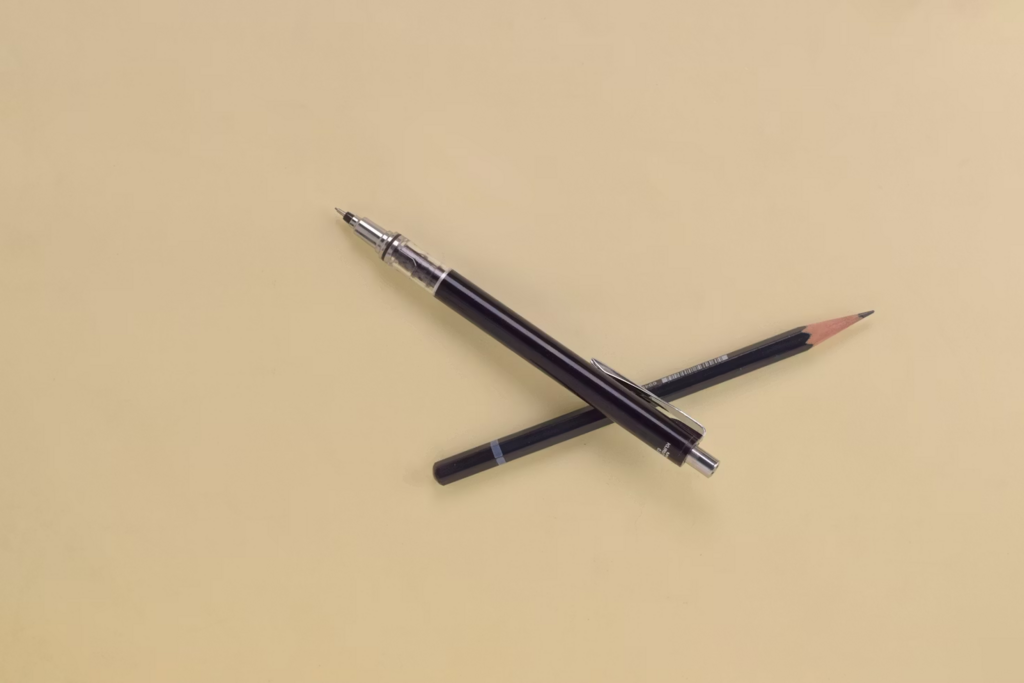
In an era dominated by digital tools, the mechanical pencil remains an indispensable instrument for professionals who demand precision. From composers sketching musical phrases to engineers drafting technical specifications, these refillable writing instruments offer a consistency that traditional wooden pencils and digital styluses often cannot match. Their evolution from 19th-century novelty to modern everyday carry essential reflects a deeper truth: sometimes the most reliable tools are the ones that have been refined over generations.
The appeal extends beyond mere nostalgia. Musicians value mechanical pencils for their ability to produce uniform lines essential for notation work, while architects and engineers rely on them for technical drawings where even minor inconsistencies can cascade into costly errors. This article examines the development of mechanical pencils, their manufacturing process, and their enduring role in creative and technical fields.
The Evolution of a Writing Instrument
The mechanical pencil’s origins trace to 1822, when Sampson Mordan and John Isaac Hawkins secured the first patent for a refillable pencil in Britain. Their invention addressed a practical problem: the constant need to sharpen wooden pencils interrupted workflow and wasted material. Early adopters included surveyors and draftsmen who needed consistent line weights for technical work.
The intervening two centuries brought substantial refinements. What began as a simple lead-advancement mechanism has evolved into sophisticated systems featuring adjustable lead grades, cushioned tips that prevent breakage, and ergonomic grips designed to reduce hand fatigue. Modern manufacturing techniques have made these precision instruments accessible to anyone who values reliable writing tools.
Manufacturing Process: Engineering Meets Craftsmanship
Creating a quality mechanical pencil requires balancing mass production efficiency with precision engineering. The process involves several distinct phases:
- Design and Engineering: Manufacturers begin by determining specifications including lead diameter (typically 0.3mm to 0.9mm), grip texture, and advancement mechanism type. These decisions affect everything from the pencil’s weight distribution to its durability.
- Material Selection: High-performance models use materials ranging from aircraft-grade aluminum to brass and stainless steel. Plastic components are engineered for specific properties—flexibility in the clip, rigidity in the barrel, and grip texture that provides control without causing discomfort.
- Component Fabrication: Each element—barrel, lead sleeve, advancement mechanism, eraser housing—is manufactured to tolerances measured in hundredths of millimeters. Precision injection molding and CNC machining ensure components fit together seamlessly.
- Assembly: Workers or automated systems combine components, insert the lead advancement spring, attach the clip, and install the eraser. Quality models undergo individual testing to verify smooth operation.
- Quality Assurance: Final inspection includes drop tests, lead advancement verification, and visual examination. Premium manufacturers test sample units from each production batch to ensure consistency.
Understanding these manufacturing standards helps explain the performance differences between budget and professional-grade instruments.
What Musicians Need in a Writing Tool
Composers and arrangers have specific requirements that make mechanical pencils particularly valuable. During rehearsals and composition sessions, the ability to make quick, precise notations without interruption becomes critical. Key features include:
- Fine Lead Diameter: A 0.5mm or 0.3mm tip allows for detailed notation in the confined spaces of musical staves, where clarity can mean the difference between a correctly interpreted passage and confusion during performance.
- Consistent Line Weight: Unlike wooden pencils that produce progressively thicker lines as the tip dulls, mechanical pencils maintain uniform stroke width—essential when writing dynamics markings or articulation symbols that must remain legible.
- Durability Under Pressure: Rehearsal environments demand tools that withstand being dropped, carried in instrument cases, and used for extended periods. Metal barrels and reinforced tips prevent the failures that occur with cheaper alternatives.
- Comfortable Extended Use: Long composition or editing sessions require grips that distribute pressure evenly across the hand, preventing the cramping that can interrupt creative flow.
Design Meets Function in Modern Pencils
Contemporary mechanical pencils have transcended purely utilitarian design to become objects that reflect personal style while maintaining practical performance. This evolution has produced instruments that serve both aesthetic and functional purposes:
- Material Innovation: Manufacturers now offer barrels crafted from exotic woods, carbon fiber, titanium, and even recycled ocean plastics. These materials provide distinct tactile experiences while meeting durability standards.
- Mechanism Variety: Beyond standard click-advance systems, options include twist mechanisms, side-knock designs, and shake-to-advance models. Each offers different advantages depending on how the pencil is held and used.
- Grip Engineering: Knurled metal grips, rubberized sections, and contoured barrels address different hand sizes and grip styles. Some models feature adjustable grip sections that accommodate individual preferences.
- Visual Design: From minimalist Bauhaus-inspired cylinders to ornately decorated barrels, mechanical pencils now span the full spectrum of design philosophies, allowing users to select tools that align with their aesthetic sensibilities.
This convergence of form and function has elevated mechanical pencils from simple office supplies to considered purchases that reflect how users approach their work.
Precision Instruments for Technical Work
Engineering and architectural applications impose demanding requirements that distinguish professional-grade mechanical pencils from general-use models. Technical drawings require absolute consistency, as dimensional accuracy often depends on line precision:
- Ultra-Fine Lead Options: Professional models accommodate 0.3mm and even 0.2mm leads, enabling the fine detail work necessary for circuit diagrams, architectural plans, and mechanical drawings where multiple lines must fit in tight spaces.
- Lead Grade Flexibility: The ability to use different hardness grades (from 4H for light construction lines to 2B for final details) within the same pencil body allows technical professionals to work efficiently without switching tools constantly. To learn more about Lead grades, check out this detailed YouTube video.
- Weighted Balance: Premium engineering pencils feature carefully calculated weight distribution that reduces hand fatigue during extended drafting sessions while providing the control needed for precise line work.
- Robust Construction: Metal bodies and reinforced lead sleeves withstand the rigors of professional environments, from construction sites to design studios, where tools face daily wear.
Why Mechanical Pencils Outperform Alternatives
The sustained popularity of mechanical pencils across diverse professional fields stems from practical advantages that remain relevant despite technological advances:
- Unvarying Line Quality: The consistent line width eliminates the progressive degradation that occurs with wooden pencils, ensuring that the first mark and the thousandth maintain identical characteristics.
- Extended Lifespan: Quality mechanical pencils can function for decades with minimal maintenance. Replaceable components—leads, erasers, and occasionally springs—cost far less than repeatedly purchasing disposable alternatives.
- Reduced Waste: By eliminating wood shavings and the disposal of shortened pencil stubs, mechanical pencils generate substantially less waste over their service life.
- Immediate Readiness: The absence of sharpening requirements means these tools are always ready for use—a significant advantage during meetings, field work, or creative moments when interruption breaks concentration.
- Versatile Application: The same instrument serves equally well for quick notes, detailed sketches, mathematical calculations, and musical notation, reducing the number of tools professionals need to carry.
These practical benefits explain why mechanical pencils maintain their position in professional environments where efficiency and reliability directly impact productivity.
The Case for Everyday Carry Pencils
The everyday carry movement has elevated mechanical pencils from desk accessories to essential pocket tools. EDC enthusiasts value instruments that combine portability with performance, leading manufacturers to develop models specifically designed for constant carry:
- Compact Dimensions: Pocket-optimized designs balance usability with portability, typically measuring between 4 and 5.5 inches when retracted, fitting comfortably in shirt pockets or small notebook covers.
- Clip Engineering: Robust clips secure the pencil without creating uncomfortable bulk, using spring tension calibrated to grip firmly without damaging fabric or paper.
- Multi-Environment Durability: EDC pencils withstand temperature variations, moisture exposure, and the mechanical stress of daily pocket carry, using materials and finishes that resist corrosion and wear.
- Tactile Satisfaction: Premium EDC models provide the subtle mechanical feedback and solid construction that appeals to users who appreciate well-engineered tools.
- Ready Accessibility: Having a reliable writing instrument immediately available eliminates the common frustration of searching for a pen when inspiration strikes or information needs recording. For readers building out a carry kit, brands like Rotring, Pentel, and Everyman each approach this balance of portability and build quality differently — browsing a dedicated EDC writing tools vendor alongside general retailers gives a clearer picture of the full range available.
The broader category continues evolving as manufacturers recognize that everyday carry tools must balance aesthetic appeal with uncompromising functionality, transforming how professionals and creatives approach portable writing instruments.