
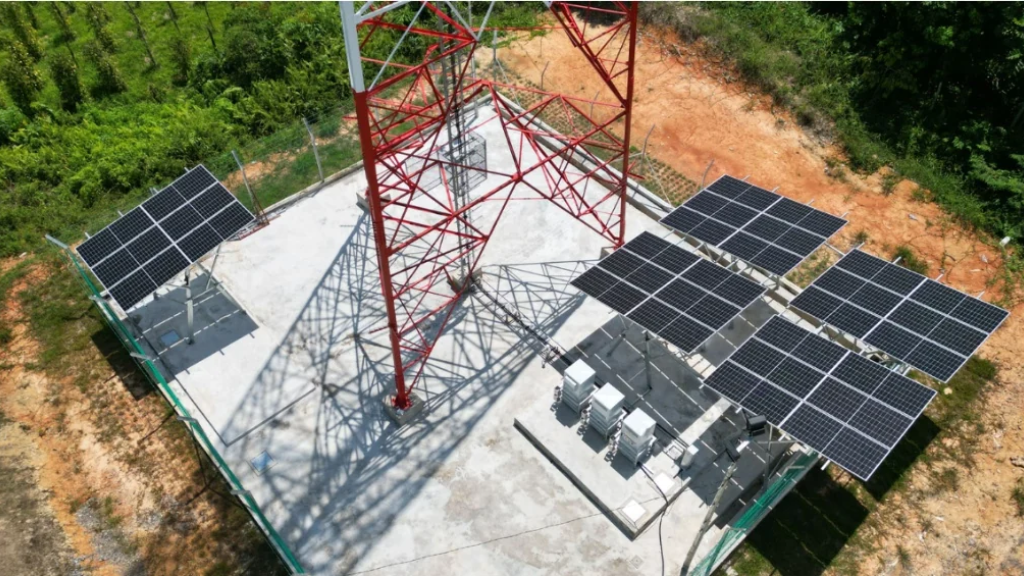
A telecom site must keep critical network equipment powered even when the grid is unstable or unavailable. For telecom site lithium battery, system interfaces shape the real outcome. Huawei Digital Power positions CloudLi as a lithium battery solution for telecom sites, moving from traditional backup toward coordinated energy use. Its site power portfolio also includes simplified deployment, AI-powered green site coordination, and intelligent site management for distributed facilities.
How battery backup fits the DC site
Telecom energy systems commonly combine rectifiers, DC distribution, site loads, and a battery backup path. CloudLi belongs to the battery portion of this architecture; its final capacity and integration depend on the existing DC voltage system and load characteristics.
Site autonomy should be calculated from essential DC load, expected outage duration, reserve margin, and usable battery energy. Nameplate battery capacity alone does not determine how long a communications node will continue operating.
From standby energy to managed resource
Huawei describes CloudLi with a transition from backup to payback and pairs it with AI-powered green site solutions. That concept refers to coordinated energy use, subject to preserving the reserve required for network availability.
A site that combines photovoltaic generation and storage can use solar energy when available, while the DC power plant regulates supply to the communications equipment. Storage control must also accommodate poor weather and unexpected outages.
Monitor battery condition and safety
Intelligent site management brings visibility into the condition of distributed power assets. For batteries, useful information includes state of charge, alarms, temperature conditions, and indicators that may warrant inspection.
Lithium systems require protection against abnormal temperature, overcurrent, and unsuitable charging conditions. The relevant safeguards are defined by the battery and cabinet design; they should be verified during integration and commissioning.
Cloud-connected monitoring can help prioritize field visits, but communications loss or incorrect sensor data must not compromise local protection. The site power system should retain its specified safe response without continuous connectivity.
An upgrade checklist should compare the new DC load with rectifier capacity, breaker ratings, cable routes, and usable battery reserve. The network function may work immediately while the backup margin has quietly narrowed.
Deploy across varied telecom locations
Some sites need cabinet-level integration while others rely on outdoor power enclosures or more compact installations. The physical deployment should be based on environmental rating, space, access control, and the installed telecom load.
Engineers should verify battery compatibility with the rectifier, DC bus, protection settings, and communications interface. Unchecked voltage limits or incompatible alarm mappings can create problems even if devices appear mechanically suitable.
A telecom site lithium battery is more than stored energy: its controls, integration, health reporting, and reserve policy influence network continuity. CloudLi and associated site management capabilities provide a framework that still requires careful sizing and site-specific safety review. For telecom site lithium battery, The equipment datasheet, integration drawings, and acceptance tests should all describe the same operating limits.