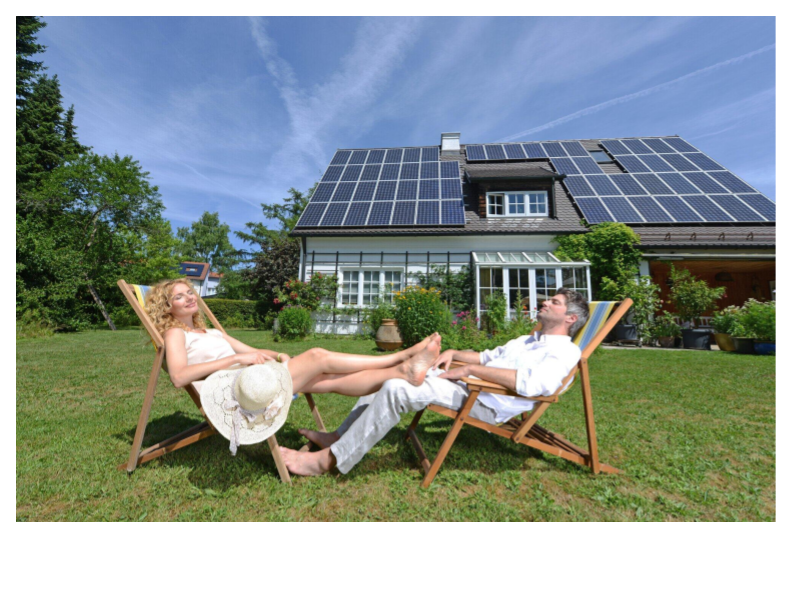
Imagine a world where your home knows the best time to use electricity, where power outages are rare, and where clean energy from the sun and wind flows smoothly into your neighborhood.
The rise of smart grids is changing the way we make, share, and use energy. It is a future powered by innovation, and it is closer than you think.
How Smart Grids Improve Our Lives
Smart grids bring many benefits that people notice every day. One of the most visible changes comes from smart meters. These devices replace old spinning dials and show exactly how much electricity a household uses, hour by hour. Families will understand when they use the most power and how to save money.
Reliability is another huge advantage. Utilities can fix issues early. Fewer and shorter outages mean less spoiled food, safer streets during storms, and uninterrupted work and school routines. Smart grids make it easier to plug in renewable energy sources.
When the sun shines brightly, or the wind blows hard, the grid can store or share that extra clean power instead of wasting it. This helps cut pollution and fights climate change, leading to cleaner air and healthier communities.
Powering Up with Energy Storage and Charging Carts
Large batteries can store electricity when demand is low and release it when demand spikes. Storage does not only happen in big, stationary units. Portable power solutions are even used in schools, hospitals, factories, and event spaces.
Mobile carts hold and charge multiple devices, including:
· Laptops
· Tablets
· Medical equipment
· Electric vehicle batteries
In a smart grid ecosystem, these carts can be programmed to charge during low-cost, off-peak hours. For portable power needs, companies like Power Technologies are developing innovative charging carts that can be moved where they’re needed most. The designs focus on safety, speed, and smart energy management, showing how even small-scale tools can impact a modern, flexible energy system.
Innovations Driving the Future
The smart grid runs on a steady stream of new ideas. Artificial intelligence now predicts energy use patterns with stunning accuracy. Machine learning programs analyze weather forecasts, holiday schedules, and traffic patterns to guess when the grid will face heavy loads. This helps utilities prepare in advance instead of scrambling to react.
Another exciting development is microgrids. A microgrid is a small, self-contained energy network that can operate on its own if the main grid goes down. A university campus or a neighborhood could have its own solar panels, batteries, and controls. During a storm or a cyberattack, the microgrid disconnects and keeps critical buildings powered.
Hurdles to Overcome
Building a smart grid is not easy. One major challenge is cost. Replacing old infrastructure with digital equipment, sensors, and communication networks is expensive. Many utilities need to invest billions of dollars, which can lead to higher rates in the short term, even if long-term savings outweigh those costs.
Cybersecurity is another concern. A grid that is connected and data-driven is potentially vulnerable to hackers. Protecting the grid with strong encryption and constant monitoring is a top priority for governments and utility companies.
The Future of Smart Energy Starts Today
Governments around the world are investing billions of dollars in grid modernization. The smart grid promises a world where blackouts are rare, energy is cleaner, and everyone has more control over how they use power.
From massive battery farms to a simple charging cart that keeps a classroom’s laptops ready for the day, every innovation adds up. Check our blog to stay updated.