
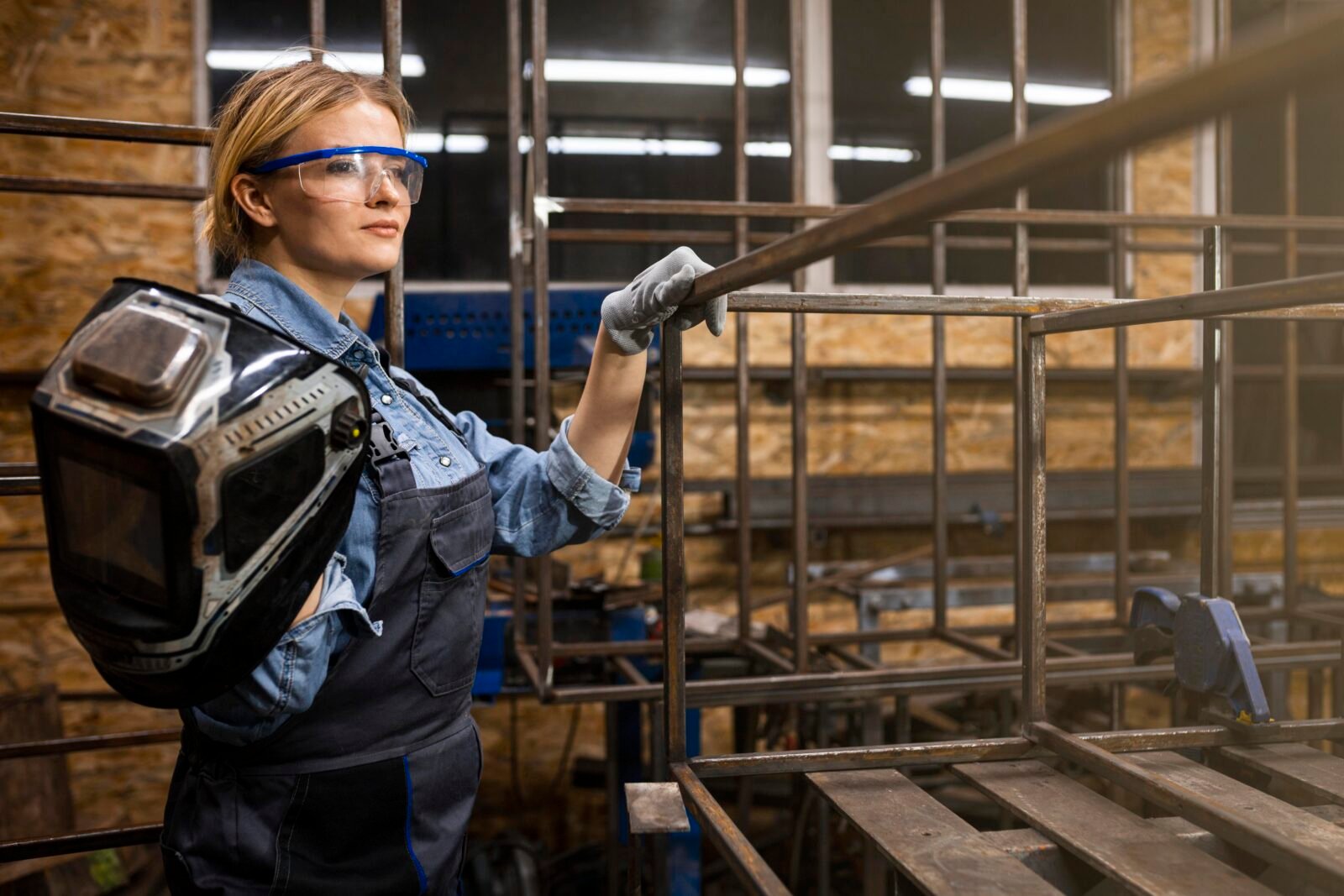
Welding merges metal with extreme heat, brilliant light, and high-voltage electricity. While the craft is incredibly rewarding and essential to modern infrastructure, it inherently involves significant risks. A single overlooked precaution can lead to severe burns, respiratory illness, or catastrophic property damage. Understanding and respecting these hazards is the fundamental first step to creating a secure working environment.
Essential Personal Protective Equipment (PPE)
The human body requires a robust physical defense against the sparks, heat, and radiation generated during the welding process. Your personal protective equipment is your primary shield on the shop floor.
Eye and face protection
An exposed eye can suffer permanent damage from flying debris or intense light in a fraction of a second. Auto-darkening welding helmets are mandatory for shielding your face from sparks and ultraviolet rays. Underneath the helmet, safety goggles provide a crucial secondary layer of defense against grinding dust and metal shavings.
Hand and body protection
Molten metal and flying sparks demand heavy-duty coverage. Thick leather gloves protect your hands from thermal burns and sharp metal edges. For your body, flame-resistant cotton or leather jackets and heavy-duty aprons block sparks from igniting your clothing. Never wear synthetic fabrics, which can melt directly onto your skin.
Respiratory and foot protection
Airborne particulates pose a silent but deadly threat. Depending on the shop’s ventilation, a fitted respirator is necessary to filter out dangerous metallic dust. Looking downward, heavy steel-toed safety boots prevent crush injuries from falling steel plates and stop hot slag from burning your feet.
Managing Welding Fumes and Gases
Melting metal releases a complex mixture of airborne chemicals. Managing this invisible hazard is critical for long-term health.
Health effects of fume exposure
Inhaling toxic fumes from coated metals or specific alloys can cause immediate acute reactions, commonly known as metal fume fever. Long-term exposure carries much more severe consequences, including chronic respiratory issues and neurological damage.
Effective ventilation strategies
Proper airflow is the most reliable way to mitigate fume exposure. Local exhaust systems, such as fume extractors, capture toxic smoke directly at the source before it reaches your breathing zone. General shop ventilation supports this by continuously cycling fresh air throughout the entire workspace. Always select the appropriate respiratory protection based on the specific materials you are joining.
Electrical Safety in the Shop
Welders work closely with high electrical currents, making shock prevention a top priority during every shift.
Risks of electric shock and grounding
Electric shock is a constant threat that can cause minor burns or fatal cardiac events. Ensure that your workpiece and equipment are properly grounded to provide a safe path for stray currents. Keep your work area dry, as moisture significantly increases the risk of electrocution.
Equipment and cable inspection
Before striking an arc, conduct a thorough visual inspection of your gear. Look for frayed cables, damaged stingers, or cracked insulation. If you find any exposed wires, tag the equipment out of service immediately and replace the damaged components.
Fire Prevention and Hot Work Protocols
Sparks and molten slag can travel surprisingly far, easily igniting nearby combustible materials.
Fire hazards and extinguishers
Maintain a strict perimeter free of flammable liquids, paper, and dry wood. Keep a fully charged Class ABC fire extinguisher within immediate reach of your workstation, and ensure you know exactly how to operate it under pressure.
Hot work permits and fire watches
When welding outside of a designated safe zone, you must follow hot work protocols. Obtain the necessary permits and clear the area of hazards. Assign a dedicated fire watch—a person tasked solely with monitoring the area for smoldering embers—who remains on duty for at least 30 minutes after the work is completed.
Shielding Against Arc Radiation and Burns
The welding arc is essentially a miniature sun, emitting dangerous levels of radiation that can damage unprotected tissue.
Types of radiation
The arc emits intense ultraviolet (UV), infrared (IR), and visible light. Without proper shielding, this radiation quickly damages cellular structures.
Preventing arc eye and skin burns
“Arc eye” is a highly painful condition caused by UV exposure, often described as feeling like sand is trapped beneath your eyelids. Prevent this and severe skin burns by ensuring zero skin is exposed. Button your collar, roll down your sleeves, and always use a properly rated helmet lens.
Compressed Gas Cylinder Safety
Shielding gases are essential for clean welds, but the highly pressurized tanks require careful handling.
Handling, storage, and leak detection
Treat gas cylinders with the utmost respect. Store them completely upright and secure them to a wall or heavy cart with sturdy chains. Inspect your regulators for wear before every use. To detect invisible gas leaks, apply a simple soap and water solution to the connections; if bubbles form, you have a leak that needs immediate tightening.
Navigating Confined Spaces and Elevated Areas
Working outside the standard shop environment introduces a new set of environmental hazards.
Confined space hazards
Small, enclosed spaces can quickly trap toxic gases and deplete available oxygen. Always test the atmospheric conditions before entering a tank or pipe, and utilize continuous mechanical ventilation while working inside.
Fall protection guidelines
When repairing structural steel on elevated platforms, gravity becomes a major hazard. Wear a properly fitted full-body harness and tie off to a secure anchor point to prevent catastrophic falls.
General Shop Safety and Housekeeping
A messy workspace creates unnecessary hazards and slows down production.
Workspace cleanliness and tool maintenance
Trip hazards cause countless shop injuries. Sweep up metal debris, safely coil your cables, and store grinders when not in use. Regular tool maintenance ensures equipment operates predictably and safely.
Emergency procedures
Accidents happen even in well-managed shops. Clearly post emergency first aid procedures and ensure all team members know the location of the first aid kit, eyewash station, and emergency exits.
Advanced Safety Considerations
As fabrication technology evolves, so do the required safety measures.
Specialized processes and advanced materials
Highly specialized processes introduce distinct challenges. For instance, TIG welding produces an incredibly bright UV light that demands premium eye protection and specialized, tactile gloves to handle the filler rod safely. Additionally, modern manufacturing often involves integrating electronic components alongside welded structures. Handling advanced parts like emi rfi shielding gaskets requires a clean, controlled environment to prevent contamination, ensuring both worker safety and the integrity of the final product.
Conclusion
Safety must be a continuous, everyday habit rather than a reluctant afterthought. The most effective safety program relies on welders looking out for one another and holding themselves to high standards.