
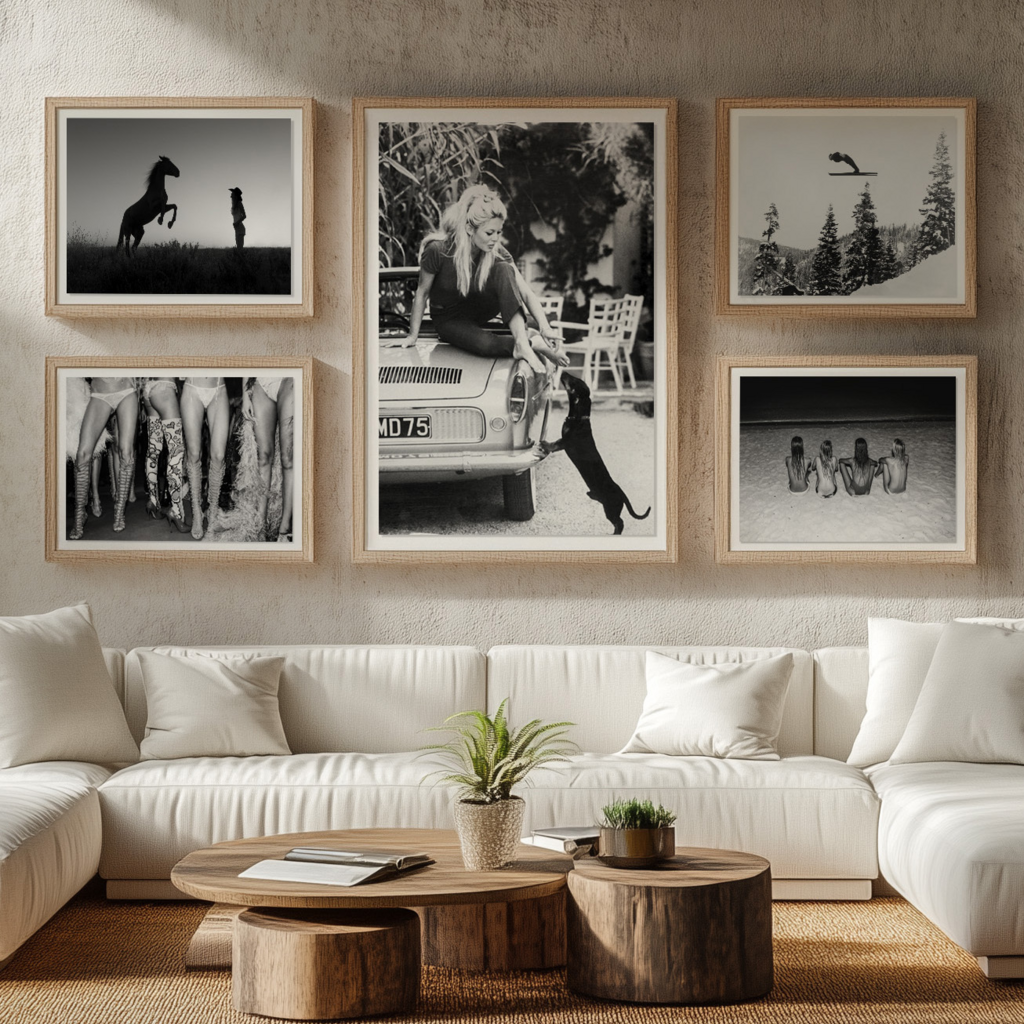
In spaces where music matters—whether a home listening room, a professional studio, or a performance venue—luxury wall art serves a dual purpose that extends far beyond decoration. These carefully crafted pieces shape both the visual character and acoustic performance of a room, creating environments where sound and aesthetics work in concert rather than competition.
The relationship between art and acoustics is more than coincidental. Textured canvases, fabric-mounted prints, and layered compositions naturally absorb sound frequencies, reducing echo and taming harsh reflections that can muddy musical clarity. For anyone designing a space where audio fidelity matters, the right wall art becomes infrastructure as much as ornament—a functional element that also happens to elevate the room’s visual sophistication.
The Historical Weight of Luxury Wall Art
Luxury wall art carries centuries of cultural significance. What began as commissioned works for European aristocracy—symbols of wealth and intellectual refinement—has evolved into a democratized form of personal expression. Yet the core appeal remains: these pieces anchor a space, providing visual gravity and narrative depth that mass-produced prints simply cannot match.
Today’s luxury art market reflects this evolution. Collectors and designers alike recognize that premium wall art functions as both aesthetic investment and cultural artifact. Contemporary buyers increasingly value provenance, craftsmanship, and the story behind a piece—qualities that align perfectly with spaces designed around musical experience, where authenticity and attention to detail define the environment.
Selecting Wall Art That Actually Improves Acoustics
Not all luxury wall art contributes equally to acoustic performance. The materials, texture, and placement determine whether a piece merely decorates or actively enhances sound quality. Here’s what matters:
- Material composition: Canvas and fabric-based works absorb mid-range frequencies more effectively than glass or metal. Layered mixed-media pieces with dimensional elements scatter sound waves, reducing standing waves and flutter echo.
- Surface texture: Smooth, flat surfaces reflect sound directly. Textured paintings, woven fiber art, and relief sculptures break up reflections, distributing sound more evenly throughout the space.
- Strategic positioning: Place absorptive art on parallel walls to minimize echo, or position pieces at first reflection points—the spots where sound from speakers first bounces before reaching the listener.
- Scale and coverage: Larger pieces or gallery walls provide more surface area for acoustic treatment. In rooms with problematic acoustics, art can cover 20-40% of wall space without feeling cluttered.
To learn more about improving room acoustics, refer to this detailed article.
Creating Cohesion: Wall Art in Designed Musical Environments
For interior designers, wall art functions as a unifying element that ties together disparate components of a musical space. The challenge lies in balancing acoustic requirements with aesthetic vision—a task that requires both technical knowledge and artistic sensibility.
Effective approaches include:
- Establishing visual rhythm: Just as music relies on rhythm and repetition, art placement can create visual cadence. Repeating colors, forms, or themes across multiple pieces guides the eye and creates spatial harmony.
- Anchoring with focal points: A statement piece draws attention and provides a reference point for the room’s design language. In music rooms, this might be a large abstract work that echoes the emotional quality of the music played there.
- Layering textures: Combining different artistic mediums—photography, painting, textile art—adds dimensional interest while providing varied acoustic properties.
- Respecting negative space: Overcrowding walls diminishes impact. Strategic placement with breathing room allows each piece to resonate visually, much like rests in a musical composition.
The goal is creating environments where every element feels intentional, where the art doesn’t merely occupy wall space but actively contributes to the room’s purpose and atmosphere.
The Dual Value of Premium Art Prints
When produced with archival materials and expert color management, they deliver museum-grade visual impact at a fraction of original artwork costs—making them particularly valuable for larger installations or multi-room projects. For designers sourcing at scale, a dedicated fine art print supplier — such as Leisure Piece, Society6, or Minted — can offer the consistency and size flexibility that one-off purchases rarely provide.
- Visual authenticity: Giclée printing on textured fine art paper or canvas reproduces subtle color gradations and surface qualities that standard prints miss entirely. The result feels substantial rather than decorative.
- Acoustic contribution: Canvas-mounted prints on stretcher bars provide similar acoustic absorption to original paintings. The fabric surface and air gap behind the canvas trap sound energy effectively.
- Design flexibility: Print availability in multiple sizes allows designers to scale artwork to room proportions. A composition that works as a 40×60 statement piece can be reprinted at 24×36 for smaller spaces.
- Color psychology: Warm earth tones create intimacy in listening rooms, while cooler palettes can make practice spaces feel more expansive. High-quality prints maintain color accuracy that cheaper reproductions lose.
Art as Financial and Cultural Investment
The case for investing in luxury wall art extends beyond immediate aesthetic gratification. Art has emerged as a legitimate alternative asset class, with certain segments showing appreciation that rivals traditional investments.
Consider these dimensions of value:
- Market performance: While individual results vary, the contemporary art market has shown resilience even during economic uncertainty. Limited edition prints from established artists can appreciate significantly over time.
- Tangible enjoyment: Unlike stocks or bonds, art provides daily aesthetic dividends. A piece that resonates personally enriches your environment every time you encounter it.
- Cultural participation: Collecting art supports living artists and contributes to cultural vitality. For many collectors, this aspect carries as much weight as financial returns.
- Estate value: Quality art becomes part of your legacy, carrying both monetary and sentimental value for future generations.
For musical spaces specifically, this means the art enhancing your listening room today may also represent sound financial planning.
Curating Art for Living Rooms and Studios
Living rooms and music studios present distinct design challenges. Living rooms typically serve multiple functions—conversation, entertainment, relaxation—while studios prioritize acoustic performance and creative inspiration. Yet both benefit from thoughtfully selected luxury wall art.
For living rooms with musical elements:
- Balance energy levels: If the room hosts lively gatherings, dynamic abstract works or bold photography can match that energy. For spaces emphasizing quiet listening, contemplative landscapes or minimalist compositions work better.
- Consider viewing distances: Large-scale works make sense in spacious rooms where viewers can step back. Smaller, detailed pieces reward closer inspection in intimate settings.
- Coordinate with existing elements: Art should dialogue with furniture, architectural features, and audio equipment rather than competing for attention.
In dedicated music studios:
- Prioritize acoustic function: Choose pieces with substantial texture and depth. Three-dimensional works or heavily textured paintings provide superior sound absorption.
- Inspire creativity: Art in working studios should energize rather than distract. Many musicians prefer abstract or non-representational work that stimulates without imposing specific narratives.
- Manage reflections: Position art to address acoustic problem areas identified through testing or professional analysis.
The key is matching art selection to room function while maintaining aesthetic coherence across your home.